
Asbestos Assessor
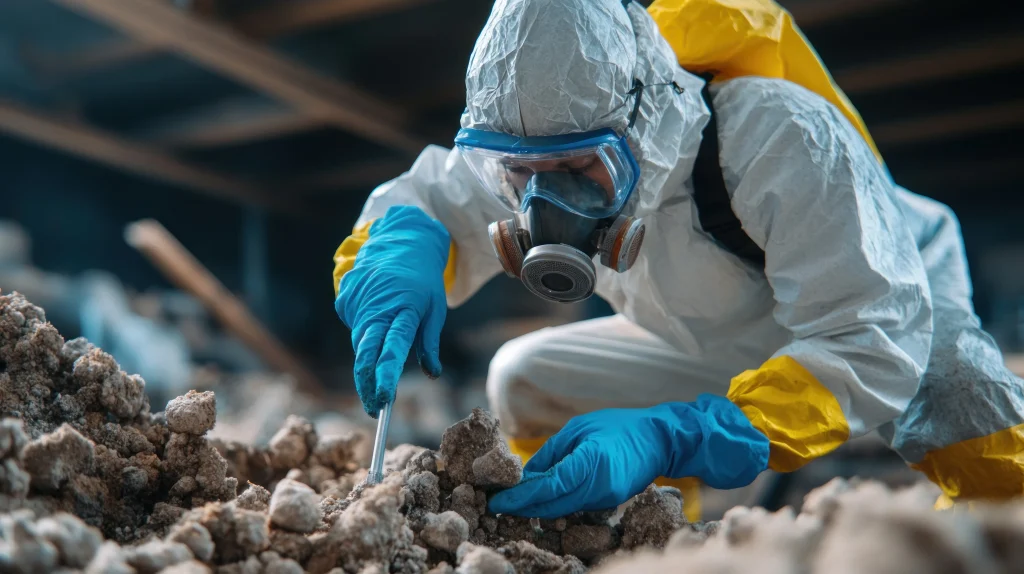
Asbestos Assessor – Occupation Information
Introduction
An Asbestos Assessor is a licensed professional responsible for identifying asbestos hazards, conducting air monitoring, performing clearance inspections, and assessing the safety of environments where asbestos removal work has taken place.
These specialists help ensure that asbestos-containing materials are properly managed and that buildings are safe for workers and occupants after asbestos removal activities.
Asbestos assessors commonly work across construction sites, demolition projects, industrial facilities, public buildings, and residential properties, particularly where older building materials may contain asbestos.
Because asbestos exposure can cause serious health risks, asbestos-related activities in Australia are strictly regulated. Licensed assessors play a key role in monitoring asbestos removal work, verifying safe removal practices, and issuing clearance certificates confirming that an area is safe for re-occupation.
Types of Asbestos Licensing
Professionals working in asbestos management may require specific licences depending on the type of work they perform.
These typically include:
- Asbestos Assessor Licence
- Asbestos Removal Licences
While asbestos assessors do not remove asbestos themselves, they perform independent monitoring and safety assessments during removal work.
1. Asbestos Assessor Licence
An Asbestos Assessor Licence allows professionals to carry out specialised asbestos safety assessments and inspections.
Individual Asbestos Assessor Licence
|
Licence Type |
Who It Applies To |
Scope of Work |
|
Licensed Asbestos Assessor |
Qualified asbestos safety professionals |
Conduct air monitoring during asbestos removal |
|
Licensed Asbestos Assessor |
Environmental and workplace safety specialists |
Perform clearance inspections after asbestos removal |
|
Licensed Asbestos Assessor |
Asbestos compliance professionals |
Issue clearance certificates confirming an area is safe for use |
Licensed asbestos assessors must operate independently from asbestos removal contractors to ensure accurate and unbiased safety evaluations.
Related Asbestos Removal Licences
Although asbestos assessors do not perform removal work, they work alongside licensed asbestos removal professionals.
|
Licence Type |
Who It Applies To |
Scope |
|
Class A Asbestos Removal Licence |
Licensed asbestos removal contractors |
Removal of friable and non-friable asbestos materials |
|
Class B Asbestos Removal Licence |
Licensed removal contractors |
Removal of non-friable asbestos materials |
Assessors often perform air monitoring and clearance inspections during Class A asbestos removal work.
State and Territory Asbestos Licensing Authorities
Asbestos assessor licensing is administered by workplace safety regulators within each Australian state or territory.
|
State / Territory |
Licensing Authority |
Licence Category |
|
New South Wales |
Workplace Safety Authority |
Asbestos Assessor Licence |
|
Victoria |
Work Safety Authority |
Asbestos Assessor Licence |
|
Queensland |
Workplace Health and Safety Authority |
Asbestos Assessor Licence |
|
South Australia |
Workplace Safety Authority |
Asbestos Assessor Licence |
|
Western Australia |
Work Safety Authority |
Asbestos Assessor Licence |
|
Tasmania |
Work Safety Authority |
Asbestos Assessor Licence |
|
Australian Capital Territory |
Workplace Safety Authority |
Asbestos Assessor Licence |
|
Northern Territory |
Workplace Safety Authority |
Asbestos Assessor Licence |
These authorities regulate training requirements, licensing standards, and workplace safety compliance.
Training and Qualification Requirements
Working as an asbestos assessor requires specialised technical training and knowledge of asbestos identification and management procedures.
Primary Qualification
Individuals usually complete recognised training in asbestos inspection and monitoring.
|
Qualification |
Description |
|
Asbestos Assessment and Monitoring Training |
Training covering asbestos identification, risk assessment, and inspection procedures |
|
Air Monitoring and Clearance Inspection Training |
Training focused on testing air quality and conducting post-removal inspections |
Some professionals may also have qualifications in occupational health, environmental health, building construction, or workplace safety.
Key Study Areas
Training programs for asbestos assessors generally include:
- Identification of asbestos-containing materials
- Asbestos hazard and risk assessment
- Air monitoring and sampling techniques
- Clearance inspection procedures
- Environmental and workplace safety regulations
- Safe asbestos management practices
These areas ensure assessors can accurately evaluate asbestos risks and confirm safe conditions after removal work.
Industry Experience
Applicants for an asbestos assessor licence often need to demonstrate practical industry experience.
Typical experience requirements may include:
- Participation in asbestos monitoring or inspection projects
- Experience working with asbestos removal teams or environmental safety specialists
- Evidence of training and professional competency
This practical experience ensures professionals can perform accurate assessments and safety evaluations.
Compliance and Industry Regulations
Because asbestos fibres pose serious health risks, asbestos management is subject to strict regulatory controls.
Asbestos assessors must ensure that:
- Air monitoring is conducted during asbestos removal work
- Clearance inspections confirm that asbestos has been safely removed
- Hazard assessments are performed before renovation or demolition work
- Safety procedures prevent exposure to asbestos fibres
These regulations help protect workers, building occupants, and the surrounding environment.
Compliance and Penalties
Carrying out asbestos assessment work without the appropriate licence may lead to serious consequences.
Possible penalties include:
- Financial fines
- Licence suspension or cancellation
- Restrictions on performing asbestos-related work
- Legal enforcement actions
These regulations ensure asbestos safety work is conducted only by qualified and licensed professionals.
Where to Verify an Asbestos Assessor Licence
Asbestos assessor licences can be verified through state or territory workplace safety authorities.
|
State / Territory |
Registration Authority |
Source |
|
New South Wales |
State Workplace Safety Authority |
|
|
Victoria |
State Work Safety Authority |
|
|
Queensland |
Workplace Health and Safety Authority |
|
|
Western Australia |
State Work Safety Authority |
|
|
South Australia |
Workplace Safety Authority |
|
|
Tasmania |
State Work Safety Authority |
|
|
Australian Capital Territory |
Territory Workplace Safety Authority |
|
|
Northern Territory |
Territory Workplace Safety Authority |
Verification helps confirm that asbestos assessment work is performed by properly licensed professionals.
Career Roles in Asbestos Assessment
Professionals in asbestos assessment may work in several roles within environmental safety and construction compliance.
Common career roles include:
- Licensed Asbestos Assessor
- Environmental Health Officer
- Occupational Hygiene Specialist
- Asbestos Risk Consultant
- Air Monitoring Technician
- Environmental Compliance Officer
- Workplace Safety Inspector
These professionals often work with construction companies, environmental consulting firms, government agencies, and safety organisations.
Job Outlook and Salary
Demand for asbestos assessment professionals remains steady due to ongoing building renovations, demolition projects, and workplace safety regulations.
Typical Salary Range
|
Experience Level |
Average Salary |
|
Entry-Level Assessor |
$65,000 – $80,000 |
|
Experienced Assessor |
$80,000 – $100,000 |
|
Senior Specialist / Consultant |
$100,000 – $120,000+ |
Professionals with expertise in occupational hygiene, environmental safety, or compliance consulting may earn higher salaries.
Frequently Asked Questions
What does an asbestos assessor do?
An asbestos assessor performs air monitoring, risk assessments, and clearance inspections during or after asbestos removal work to ensure that an environment is safe.
Do asbestos assessors remove asbestos?
No. Asbestos assessors perform inspection and monitoring work, while licensed asbestos removal contractors carry out the removal process.
Why are asbestos assessments important?
Asbestos fibres can cause serious respiratory diseases, making it essential to monitor asbestos removal work and confirm that areas are safe before they are re-occupied.
Where do asbestos assessors typically work?
They commonly work in construction sites, demolition projects, industrial buildings, government facilities, and older residential properties.