
Metal Fabricator
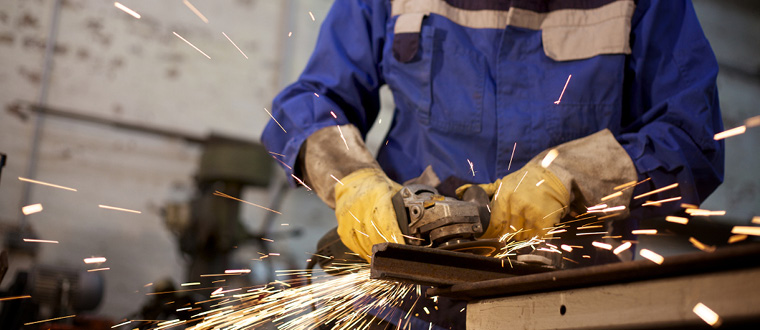
Metal Fabricator – Occupation Information
Introduction
A Metal Fabricator is a skilled tradesperson responsible for cutting, shaping, assembling, and repairing metal components and structures.
They work with materials such as steel, aluminium, and other alloys to create products used in construction, manufacturing, and industrial applications.
Metal fabricators use tools, machinery, and welding techniques to produce strong and precise metal structures.
This occupation plays an important role in industries where durable and accurately fabricated metal parts are required.
Types of Metal Fabrication Work
Metal fabricators may specialise based on the type of work and industry.
Common types include:
- Structural Metal Fabrication
- Sheet Metal Fabrication
- Welding and Assembly
- Maintenance and Repair Fabrication
1. Structural Metal Fabrication
This involves producing large-scale metal components used in construction and infrastructure.
Work Scope
|
Work Type |
Description |
|
Steel Frameworks |
Fabricating beams, columns, and supports |
|
Heavy Structures |
Working on bridges, buildings, and industrial frames |
|
Component Assembly |
Joining structural parts together |
|
On-Site Installation Support |
Assisting with placement and fitting |
2. Sheet Metal Fabrication
This focuses on shaping and forming thin metal sheets into usable components.
Work Scope
|
Work Type |
Description |
|
Cutting and Bending |
Shaping metal sheets using tools and machines |
|
Custom Fabrication |
Producing tailored metal parts |
|
Panel Work |
Creating panels for construction or equipment |
|
Precision Manufacturing |
Producing accurate and detailed components |
3. Welding and Assembly
Welding is a key part of metal fabrication.
Work Scope
|
Work Type |
Description |
|
Welding Processes |
Using MIG, TIG, and arc welding techniques |
|
Joining Components |
Assembling parts through welding or fastening |
|
Alignment and Fitting |
Ensuring correct positioning of parts |
|
Quality Inspection |
Checking strength and finish of welds |
4. Maintenance and Repair Fabrication
Fabricators also repair and maintain metal equipment and structures.
Work Scope
|
Work Type |
Description |
|
Repair Work |
Fixing damaged metal parts |
|
Replacement Fabrication |
Producing new parts for worn components |
|
Inspection |
Identifying defects or weaknesses |
|
Refurbishment |
Restoring metal structures for reuse |
State and Territory Licensing Authorities
Metal fabrication work may fall under construction or engineering-related licensing, depending on the project scope.
|
State / Territory |
Licensing Authority |
Requirement |
Website |
|
New South Wales |
Fair Trading NSW |
Licensing may apply for structural work |
|
|
Victoria |
Victorian Building Authority |
Registration may apply |
|
|
Queensland |
QBCC |
Licence required for certain construction work |
|
|
South Australia |
Consumer and Business Services |
Contractor licence may apply |
|
|
Western Australia |
Building and Energy |
Registration may apply |
|
|
Tasmania |
CBOS |
Licensing may apply |
|
|
Australian Capital Territory |
Access Canberra |
Registration/licensing may apply |
|
|
Northern Territory |
NT Government |
Licensing may apply |
Training and Qualification Requirements
Metal fabricators typically gain skills through formal training combined with practical experience.
Primary Qualification
|
Qualification |
Description |
|
Certificate III in Engineering – Fabrication Trade |
Core trade qualification |
|
Apprenticeship (3–4 years) |
Combines training and hands-on work |
|
Welding Certification |
Required for specialised welding tasks |
|
White Card |
Required for construction site work |
Key Training Areas
- Metal cutting and shaping techniques
- Welding and joining methods
- Reading technical drawings and plans
- Use of fabrication machinery and tools
- Measurement and precision work
- Workplace safety procedures
Industry Experience
Practical experience is essential for metal fabricators.
Typical experience includes:
- Working with different types of metals
- Using welding equipment and fabrication tools
- Assembling and installing metal components
- Repairing and maintaining structures
- Working in workshops and construction environments
Experience ensures accuracy, durability, and safe fabrication practices.
Compliance and Industry Regulations
Metal fabricators must follow safety and construction standards.
Key responsibilities include:
- Ensuring all fabricated components meet specifications
- Following safety procedures when using tools and machinery
- Using appropriate welding and fabrication techniques
- Maintaining quality control during production
- Adhering to workplace health and safety requirements
Compliance and Penalties
Failure to comply may result in:
- Structural weaknesses or failures
- Safety risks for workers and users
- Legal penalties or fines
- Project delays and rework costs
- Damage to equipment or property
Where to Verify a Licence or Registration
|
State / Territory |
Authority |
Verification Link |
|
New South Wales |
Licence Check NSW |
|
|
Victoria |
VBA Practitioner Search |
|
|
Queensland |
QBCC Licence Search |
|
|
Western Australia |
WA Government |
|
|
South Australia |
CBS Licence Register |
|
|
Tasmania |
CBOS Licence Search |
|
|
Australian Capital Territory |
Access Canberra |
|
|
Northern Territory |
NT Government |
Career Roles in Metal Fabrication
- Metal Fabricator
- Welder
- Boilermaker
- Sheet Metal Worker
- Structural Steel Fabricator
- Maintenance Technician
Job Outlook and Salary
|
Experience Level |
Average Salary |
|
Entry-Level |
$55,000 – $70,000 |
|
Experienced |
$70,000 – $100,000 |
|
Senior |
$100,000 – $130,000+ |
Demand is supported by construction, manufacturing, infrastructure projects, and industrial maintenance needs.
Frequently Asked Questions
What does a metal fabricator do?
A metal fabricator cuts, shapes, and assembles metal components used in construction and manufacturing.
Do metal fabricators need a qualification?
Yes, a Certificate III in Engineering – Fabrication Trade is commonly required.
Is welding part of metal fabrication?
Yes, welding is a core skill used to join metal components.
Is this a physically demanding job?
Yes, it involves handling materials, operating machinery, and working in industrial environments.