
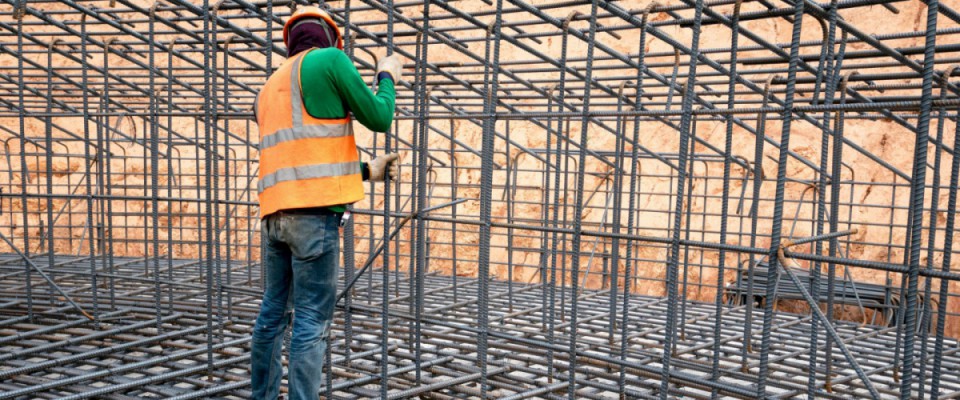
Erector

Erector


๐Ÿ‡ฆ๐Ÿ‡บ Introduction

An Erector licence in Australia refers to the legal authorisation required for professionals who assemble, install, or erect large structural components, such as steel frameworks, scaffolding, towers, signs, and prefabricated structures on construction sites.

Depending on the specific trade and state regulations, an Erector may perform the following:

•         Structural Steel Erection: Assembling and securing steel beams, columns, trusses, and girders for buildings or bridges.

•         Scaffolding Erection and Dismantling: Setting up scaffolding for access or support during construction or maintenance.

•         Precast or Prefabricated Component Installation: Installing pre-made walls, panels, or modules on site.

•         Tower and Mast Erection: Installing communication towers, wind turbines, and large signs.

•         Temporary Structure Assembly: Erecting stages, platforms, or temporary shelters for events or construction use.


๐Ÿ‡ฆ๐Ÿ‡บ Types

Because “Erector” work often involves high-risk construction and structural assembly, it is governed under the Work Health and Safety (WHS) Regulations.
Instead of one national "Erector Licence," the role is covered by several specific High-Risk Work Licences (HRWLs) and Building Trade Licences, depending on the kind of erection work performed.

Below are the key types:


1. Scaffolding Erector Licence

Purpose: Authorises the holder to erect, alter, and dismantle scaffolding used for supporting people, materials, or structures during construction.

Categories:

Licence Type

Description

Example of Work

Basic Scaffolding (SB)

Erecting prefabricated modular scaffolds up to 4 metres high.

Domestic or small commercial scaffolds.

Intermediate Scaffolding (SI)

Includes cantilevered, spurred, and tube-and-coupler scaffolds.

Medium-rise construction scaffolds.

Advanced Scaffolding (SA)

Includes suspended, hung, and cantilevered scaffolds.

High-rise, industrial, and bridge scaffolding.

Regulating Authority: SafeWork or WorkSafe office in each state/territory (e.g., SafeWork NSW, WorkSafe Victoria).


2. Rigging Erector Licence

Purpose: Allows the holder to perform rigging and structural steel erection, including the placement, securing, and dismantling of large structural components.

Categories:

Licence Type

Description

Example of Work

Basic Rigging (RB)

Erecting structural steel, hoists, and simple plant.

Warehouse steel frames, light towers.

Intermediate Rigging (RI)

Includes cranes, conveyors, and rigging of tilt-up panels.

Industrial or factory installations.

Advanced Rigging (RA)

Complex rigging like flying foxes, guyed derricks, and suspended structures.

Bridges, wind turbines, towers.

Regulating Authority: State/Territory WHS regulator (e.g., WorkSafe QLD, NT WorkSafe, WorkSafe SA).


3. Structural Steel Erector Licence (Contractor Level)

Purpose: Required for businesses or individuals contracting to assemble and install steel frameworks or prefabricated structural components.

•         Usually falls under a Builder or Trade Contractor Licence category in the relevant state.

Examples by State:

State

Licence Name

Regulator

NSW

Structural Steel Erection Licence (under Building Specialist category)

NSW Fair Trading

QLD

Structural Metal Fabrication & Erection Contractor Licence

QBCC

VIC

Covered under Commercial Builder (Limited to Structural Steel)

Victorian Building Authority (VBA)


4. Precast Concrete Erector Licence

Purpose: For installing precast concrete panels, beams, and columns on-site.

•         Work involves craning and securing heavy precast elements safely.

•         Typically requires both a Rigging (RI or RA) high-risk licence and Builder/Contractor accreditation for structural work.


5. Sign or Tower Erector Licence

Purpose: For workers installing large-scale signs, masts, and communication towers.

•         Requires Basic or Intermediate Rigging Licence for lifting/positioning structures.

•         May also require Working at Heights certification and Electrical Awareness (if near power lines).


6. Temporary Structure Erector Licence

Purpose: Applies to professionals who assemble stages, platforms, tents, and temporary stands for events or construction support.

•         Typically regulated through Rigging or Scaffolding licences, depending on structure type.

•         For commercial events, may also require a Temporary Structure Permit issued by local council or building authority.


7. Crane and Hoist Erection Licence

Purpose: Covers those who install or dismantle tower cranes, hoists, or lifts used in construction.

•         Requires a Rigging Licence (Intermediate or Advanced).

•         In some cases, may also need a Crane Operator Licence (CT, CN, C6, C1) depending on work tasks.


๐Ÿข Summary of Key Erector Licence Types

Licence Type

Abbreviation

Scope

Example Roles

Basic Scaffolding

SB

Modular scaffolds up to 4m

Domestic builder, small sites

Intermediate Scaffolding

SI

Cantilevered, spurred scaffolds

Commercial projects

Advanced Scaffolding

SA

Suspended or hung scaffolds

High-rise, bridges

Basic Rigging

RB

Structural steel, hoists

Steel erector

Intermediate Rigging

RI

Tilt-up panels, cranes

Industrial rigger

Advanced Rigging

RA

Complex rigging/towers

Tower erector

Structural Steel Erection

Fabrication and installation

Commercial fabricator/erector

Precast Concrete Erection

Precast panels and beams

Concrete erector


โš–๏ธ Regulatory Framework

All these licences fall under:

•         Work Health and Safety Act 2011

•         Work Health and Safety Regulations 2011 (Schedule 3 – High Risk Work Licences)

•         State or Territory-specific Building Licensing Legislation


๐Ÿ‡ฆ๐Ÿ‡บ Qualifications

Below is a breakdown of the core qualification pathways for different types of erection work.


1. Scaffolding Erector Licence Qualifications

To obtain a Scaffolding Licence (SB, SI, or SA), applicants must complete accredited training and assessment through a Registered Training Organisation (RTO).

Core requirements:

•         Minimum age: 18 years

•         Completed a General Construction Induction (White Card)

•         Completed formal training in the relevant scaffolding unit of competency

•         Demonstrated practical experience under supervision

Training Units of Competency:

Licence Class

National Training Unit

Description

Basic Scaffolding (SB)

CPCCLSF2001 — Licence to erect, alter and dismantle scaffolding basic level

Covers modular scaffolds, fall protection systems

Intermediate Scaffolding (SI)

CPCCLSF3001 — Licence to erect, alter and dismantle scaffolding intermediate level

Includes cantilevered and spurred scaffolds

Advanced Scaffolding (SA)

CPCCLSF4001 — Licence to erect, alter and dismantle scaffolding advanced level

Includes suspended and hung scaffolds

Assessment:

•         Conducted by an RTO approved by the state regulator (e.g., SafeWork NSW, WorkSafe QLD).

•         Must pass both theoretical and practical assessments demonstrating competence.


2. Rigging / Structural Erector Licence Qualifications

To perform steel erection, tower assembly, or rigging, you need a Rigging Licence (Basic, Intermediate, or Advanced).

Core requirements:

•         Age 18+ and White Card holder

•         Completion of a High-Risk Work training program with a licensed RTO

•         Demonstrate competence through supervised workplace experience

Training Units of Competency:

Licence Class

National Unit

Description

Basic Rigging (RB)

CPCCLRG3001 — Licence to perform rigging basic level

Structural steel erection, hoists, and safety nets

Intermediate Rigging (RI)

CPCCLRG3002 — Licence to perform rigging intermediate level

Includes cranes, conveyors, precast panels

Advanced Rigging (RA)

CPCCLRG4001 — Licence to perform rigging advanced level

Includes guyed derricks, flying foxes, suspended structures

Assessment:

•         Must be conducted by an accredited assessor authorised by the WHS regulator.

•         Involves both knowledge tests and practical demonstrations.


3. Structural Steel or Precast Erector Licence (Contractor/Builder Level)

If you are running a business or supervising large-scale structural steel erection or precast panel installation, you may also require a Builder or Trade Contractor Licence.

Typical qualifications (vary by state):

State

Licence Type

Minimum Qualification

NSW

Structural Steel Erection

CPC31220 — Certificate III in Structural Steel Construction or equivalent

QLD

Structural Metal Fabrication & Erection Contractor Licence

CPC31220 — Certificate III in Structural Steel Construction or MEM30319 — Certificate III in Engineering – Fabrication Trade

VIC

Commercial Builder (Limited to Structural Steel)

CPC50220 — Diploma of Building and Construction (Building) or equivalent experience

WA/SA/TAS

Trade Licence under WorkSafe / Consumer Affairs

Recognised trade certificate in steel erection or fabrication, plus business competency (if contracting)


4. Additional Mandatory Requirements

Regardless of the licence type, erectors must meet workplace and safety requirements, including:

•         White Card (CPCCWHS1001) – mandatory for all construction site workers.

•         High-Risk Work Licence (HRWL) – issued after successful training and assessment.

•         Workplace logbook experience – proving supervised hours in the relevant type of erection work.

•         Identification and medical fitness – required at the time of licence application.


5. Optional but Beneficial Qualifications

•         CPC40120 — Certificate IV in Building and Construction (for supervisory roles)

•         Diploma of Building and Construction (Building) (for contractor-level licensing)

•         Working at Heights Ticket (RIIWHS204E) – often mandatory for scaffolders and riggers

•         Dogging Licence (CPCCLDG3001) – prerequisite for rigging licences


6. Application Process (Typical Steps)

•         Complete RTO training for the relevant licence class.

•         Pass the assessment (theory + practical).

•         Receive a Statement of Attainment from the RTO.

•         Apply for a High-Risk Work Licence through your state WorkSafe/SafeWork authority.

•         If contracting, apply for a Builder or Trade Contractor Licence through the state building authority (e.g., QBCC, NSW Fair Trading).


๐Ÿงพ Summary Table

Licence Type

Qualification Required

Training Code

Regulator

Basic Scaffolding

Certificate + HRWL

CPCCLSF2001

SafeWork / WorkSafe

Intermediate Scaffolding

Certificate + HRWL

CPCCLSF3001

SafeWork / WorkSafe

Advanced Scaffolding

Certificate + HRWL

CPCCLSF4001

SafeWork / WorkSafe

Basic Rigging

Certificate + HRWL

CPCCLRG3001

SafeWork / WorkSafe

Intermediate Rigging

Certificate + HRWL

CPCCLRG3002

SafeWork / WorkSafe

Advanced Rigging

Certificate + HRWL

CPCCLRG4001

SafeWork / WorkSafe

Structural Steel Erection

Certificate III (CPC31220)

State Building Authority

Precast Erection

Certificate III (CPC31220 / CPC30320)

State Building Authority


โœ… In summary:

To become a licensed Erector in Australia, you must complete a recognised High-Risk Work training program (Rigging or Scaffolding), obtain a Statement of Attainment from an approved RTO, hold a White Card, and apply for the relevant High-Risk Work Licence through your state or territory’s Work Health and Safety regulator.
For contracting or supervisory roles, a Certificate III or IV in Structural Steel or Building Construction is also required.


Compliance and Penalties

•         Improvement or Prohibition Notices can be issued.

•         Fines up to $50,000 for individuals, $250,000+ for companies.

•         Licence suspension or cancellation by the regulator.

•         Penalties include immediate licence cancellation, fines up to $10,000, and criminal prosecution.


Where to Verify a License

State/Territory Verification Authorities

State/Territory

Licensing Authority

Verification Link / Notes

New South Wales (NSW)

Verify NSW

verify.licence.nsw.gov.au

Victoria (VIC)

WorkSafe Victoria

worksafe.vic.gov.au

Queensland (QLD)

WorkSafe QLD

worksafe.qld.gov.au

Western Australia (WA)

Western Australian Government

wa.gov.au

South Australia (SA)

SafeWork SA

safework.sa.gov.au

Tasmania (TAS)

WorkSafe Tasmania

worksafe.tas.gov.au

Australian Capital Territory (ACT)

WORKSAFE ACT

worksafe.act.gov.au

Northern Territory (NT)

NT Worksafe

worksafe.nt.gov.au


Career Roles

•         Structural Steel Erector

•         Scaffolder / Scaffolding Erector

•         Rigger / Rigging Erector

•         Precast Concrete Erector

•         Tower / Mast Erector

•         Temporary Structure Erector

•         Supervisor / Foreman Roles

•         Contractor / Business Owner


Job Outlook and Salary

๐Ÿ”ง Structural Steel Erector

•         Average Salary: Approximately $95,647 per year or $46 per hour.

•         Entry-Level (1–3 years): Around $70,000–$71,000 per year.

•         Senior-Level (8+ years): Up to $115,000–$116,000 per year.

๐Ÿง—‍โ™‚๏ธ Rigger

•         Average Salary: Ranges from $95,000 to $115,000 per year.

•         Hourly Rate: Approximately $52.74 per hour.

•         Entry-Level: Starting salaries around $80,000 per year.

๐Ÿชœ Scaffolder

•         Average Salary: Between $80,000 and $85,000 per year.

•         Hourly Rate: Ranges from $35 to $50 per hour, depending on experience and location.