
Hot water Specialist Or Technician
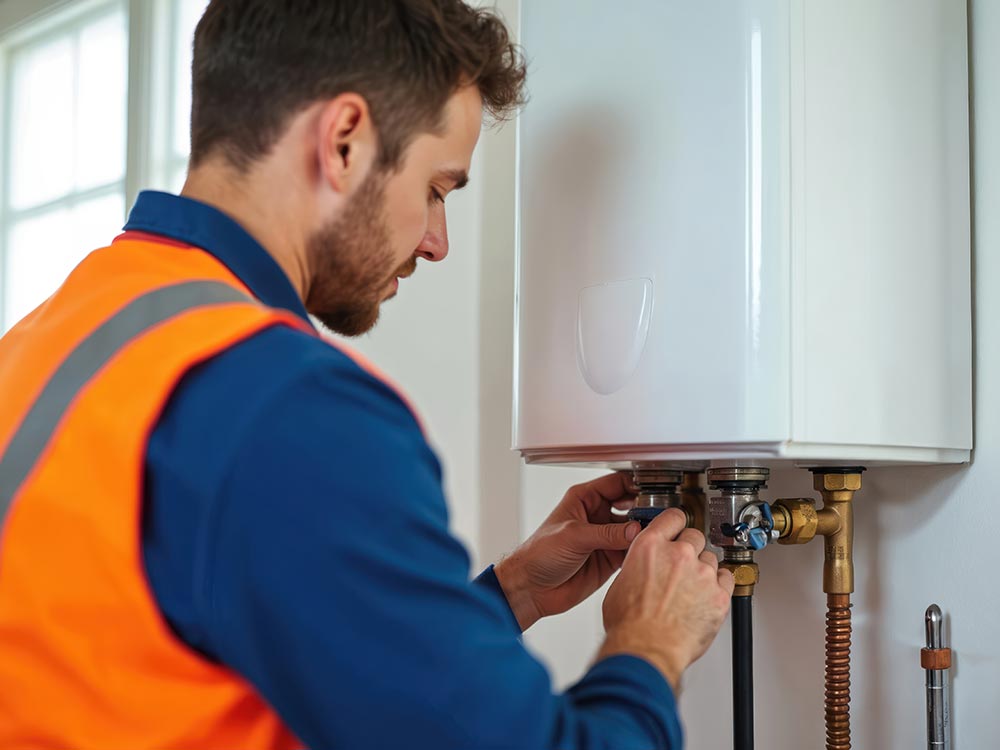
Hot Water Specialist or Technician – Occupation Information
Introduction
A Hot Water Specialist or Technician is a skilled tradesperson responsible for the installation, maintenance, repair, and replacement of hot water systems in residential, commercial, and industrial settings.
They work with systems such as electric hot water units, gas hot water systems, heat pumps, and solar hot water systems.
These professionals ensure that hot water systems operate efficiently, safely, and in compliance with plumbing and energy standards.
Hot water work often overlaps with plumbing and mechanical services, requiring proper training and licensing depending on the type of system being handled.
Types of Hot Water Systems Work
Hot water technicians may work across different system types depending on the application and environment.
Common types include:
- Electric Hot Water Systems
- Gas Hot Water Systems
- Solar Hot Water Systems
- Heat Pump Systems
1. Electric Hot Water Systems
This involves systems powered by electricity, commonly used in homes.
Work Scope
|
Work Type |
Description |
|
Installation |
Setting up electric storage or instant hot water units |
|
Element Replacement |
Replacing heating elements and thermostats |
|
Fault Diagnosis |
Identifying electrical or heating issues |
|
System Replacement |
Upgrading old or inefficient units |
2. Gas Hot Water Systems
These systems use gas to heat water and are widely used in residential and commercial properties.
Work Scope
|
Work Type |
Description |
|
Gas Unit Installation |
Installing continuous flow or storage systems |
|
Burner Maintenance |
Cleaning and servicing burners |
|
Leak Detection |
Identifying gas-related issues |
|
Efficiency Testing |
Ensuring proper combustion and performance |
3. Solar Hot Water Systems
Solar systems use renewable energy to heat water.
Work Scope
|
Work Type |
Description |
|
Panel Installation |
Mounting solar collectors on roofs |
|
System Integration |
Connecting storage tanks and controls |
|
Maintenance |
Checking circulation systems and components |
|
Performance Testing |
Ensuring optimal energy efficiency |
4. Heat Pump Systems
Heat pumps use ambient air to heat water efficiently.
Work Scope
|
Work Type |
Description |
|
Installation |
Setting up heat pump units |
|
System Configuration |
Connecting electrical and plumbing components |
|
Maintenance |
Cleaning filters and checking compressors |
|
Troubleshooting |
Diagnosing performance issues |
State and Territory Licensing Authorities
Hot water work is typically regulated under plumbing and building licensing frameworks, depending on the nature of the installation and repair work.
|
State / Territory |
Licensing Authority |
Requirement |
Website |
|
New South Wales |
Fair Trading NSW |
Plumbing licence required |
|
|
Victoria |
Victorian Building Authority |
Registration/licensing required |
|
|
Queensland |
QBCC |
Plumbing licence required |
|
|
South Australia |
Consumer and Business Services |
Contractor licence required |
|
|
Western Australia |
Building and Energy |
Plumbing registration required |
|
|
Tasmania |
CBOS |
Licensing required |
|
|
Australian Capital Territory |
Access Canberra |
Licence/registration required |
|
|
Northern Territory |
NT Government |
Licensing may apply |
Training and Qualification Requirements
Hot water technicians generally come from a plumbing or mechanical services background.
Primary Qualification
|
Qualification |
Description |
|
Certificate III in Plumbing |
Core qualification for plumbing-related work |
|
Certificate III in Plumbing (Mechanical Services) |
Relevant for mechanical and hot water systems |
|
Apprenticeship (3–4 years) |
Combines practical and theoretical training |
|
White Card |
Required for construction site work |
Key Training Areas
- Installation of hot water systems
- Electrical and gas safety basics
- System diagnostics and troubleshooting
- Reading technical drawings
- Compliance with plumbing standards
- Working with pressure and temperature systems
Industry Experience
Practical experience is essential for working with hot water systems.
Typical experience includes:
- Installing and replacing hot water units
- Diagnosing system faults
- Performing maintenance and servicing
- Working with plumbing and electrical components
- Handling residential and commercial service calls
Experience ensures safe handling, accurate installation, and system reliability.
Compliance and Industry Regulations
Hot water technicians must follow strict safety and compliance standards.
Key responsibilities include:
- Ensuring installations meet plumbing and energy regulations
- Testing systems for leaks, pressure, and performance
- Following manufacturer specifications
- Using approved materials and equipment
- Maintaining safety when working with electricity, gas, and water systems
Hot water systems involve both water and energy sources, requiring careful handling to avoid hazards.
Compliance and Penalties
Failure to comply may result in:
- Unsafe installations or system failures
- Risk of electrical or gas hazards
- Legal penalties or fines
- Licence suspension or cancellation
- Costly repairs or damage claims
Where to Verify a Licence or Registration
|
State / Territory |
Authority |
Verification Link |
|
New South Wales |
Licence Check NSW |
|
|
Victoria |
VBA Practitioner Search |
|
|
Queensland |
QBCC Licence Search |
|
|
Western Australia |
WA Government |
|
|
South Australia |
CBS Licence Register |
|
|
Tasmania |
CBOS Licence Search |
|
|
Australian Capital Territory |
Access Canberra |
|
|
Northern Territory |
NT Government |
Career Roles in Hot Water Industry
- Hot Water Technician
- Plumbing Technician
- Mechanical Services Plumber
- Hot Water System Installer
- Service Technician
- Maintenance Plumber
Job Outlook and Salary
|
Experience Level |
Average Salary |
|
Entry-Level |
$55,000 – $70,000 |
|
Experienced |
$70,000 – $100,000 |
|
Senior |
$100,000 – $130,000+ |
Demand remains steady due to ongoing residential needs, system upgrades, energy-efficient installations, and maintenance services.
Frequently Asked Questions
What does a hot water technician do?
They install, repair, and maintain hot water systems across different types of properties.
Do you need a licence to work on hot water systems?
Yes, most work requires a plumbing or relevant trade licence depending on the system type.
What qualifications are required?
Typically a Certificate III in Plumbing or Mechanical Services is required.
Are hot water systems complex to repair?
Yes, they involve electrical, plumbing, and sometimes gas components, requiring proper training.