
Carpenter
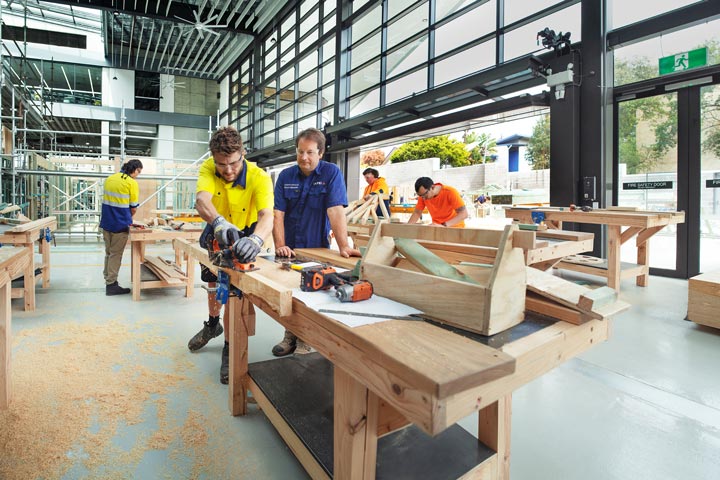
Carpenter – Occupation Information
Introduction
A Carpenter is a skilled tradesperson responsible for constructing, installing, repairing, and maintaining structures made from timber and other materials.
They work on a wide range of building elements including frameworks, walls, floors, roofs, doors, and windows.
Carpenters are essential in residential construction, commercial projects, renovations, and infrastructure development.
In Australia, this occupation generally requires formal training, practical experience, and in some cases, licensing depending on the scope of work.
Types of Carpentry Work
Carpenters may specialise in different areas depending on the construction stage and project type.
Common types include:
- Residential Carpentry
- Commercial Carpentry
- Formwork and Structural Carpentry
1. Residential Carpentry
Residential carpenters focus on housing construction and home renovations.
Residential Work Scope
|
Work Type |
Description |
|
House Framing |
Building structural frameworks for homes |
|
Roof Construction |
Installing roof trusses and structures |
|
Interior Carpentry |
Installing doors, windows, and skirting |
|
Renovations |
Repairing and upgrading existing structures |
This work requires accuracy, planning, and coordination with other trades.
2. Commercial Carpentry
Commercial carpenters work on large-scale buildings and infrastructure projects.
Commercial Work Scope
|
Work Type |
Description |
|
Office Buildings |
Constructing structural and interior elements |
|
Retail Fit-Outs |
Installing shopfronts and interior fixtures |
|
Public Infrastructure |
Working on schools, hospitals, and facilities |
|
Large Developments |
Supporting multi-level construction projects |
These projects involve complex designs, safety standards, and strict deadlines.
3. Formwork and Structural Carpentry
Formwork carpenters specialise in temporary structures used in construction.
Formwork Work Scope
|
Work Type |
Description |
|
Concrete Formwork |
Building moulds for concrete structures |
|
Structural Frameworks |
Supporting large construction elements |
|
Reinforcement Support |
Assisting in structural integrity during builds |
|
Temporary Structures |
Creating scaffolding and support systems |
This area requires strong technical knowledge and structural understanding.
State and Territory Licensing Authorities
Carpenters may require a licence depending on project value, work type, and state regulations.
|
State / Territory |
Licensing Authority |
Requirement |
|
New South Wales |
Building Regulator |
Licence required for residential building work above set value |
|
Victoria |
Building Authority |
Registration required for certain building work |
|
Queensland |
Building and Construction Commission |
Licence required for most carpentry work |
|
South Australia |
Consumer and Business Services |
Licence required for building work |
|
Western Australia |
Building Commission |
Registration may be required |
|
Tasmania |
Building and Occupational Services |
Licence required for construction work |
|
Australian Capital Territory |
Construction Occupations Registrar |
Licensing required for building services |
|
Northern Territory |
Building Practitioners Board |
Registration required |
Requirements vary based on project size, contract value, and construction scope.
Training and Qualification Requirements
Carpenters require practical training, technical knowledge, and hands-on experience in construction work.
Primary Qualification
Most carpenters complete a formal apprenticeship or trade qualification.
|
Qualification |
Description |
|
Certificate III in Carpentry |
Core qualification covering construction and carpentry skills |
|
Certificate IV (Optional) |
Advanced skills in construction supervision or specialised carpentry |
|
Apprenticeship Training |
Combines on-site experience with structured learning |
These qualifications develop knowledge of construction methods, materials, and safety practices.
Key Training Areas
Training programs typically include:
- Reading and interpreting building plans
- Measuring and marking materials
- Cutting and assembling timber structures
- Using hand and power tools
- Constructing frameworks and structural elements
- Installing doors, windows, and fittings
- Applying finishes and protective coatings
These skills enable carpenters to build safe and durable structures.
Industry Experience
Practical experience is essential in carpentry.
Typical experience includes:
- Working on construction sites or building projects
- Assisting with framing, roofing, and installations
- Learning proper use of tools and machinery
- Understanding building standards and safety requirements
Experience builds precision, efficiency, and structural knowledge.
Compliance and Industry Regulations
Carpenters must comply with construction regulations and workplace safety standards.
Key responsibilities include:
- Following building codes and design specifications
- Ensuring structural safety and accuracy
- Using tools and equipment safely
- Maintaining quality workmanship
- Adhering to workplace health and safety requirements
This ensures structures are safe, compliant, and long-lasting.
Compliance and Penalties
Failure to comply with regulations may result in:
- Fines or legal penalties
- Project delays or contract issues
- Defective construction requiring rework
- Licence suspension or cancellation (where applicable)
These measures ensure accountability and construction safety.
Where to Verify a Carpenter Licence
Licence verification can be completed through state or territory regulatory authorities.
|
State / Territory |
Licensing Authority |
Source |
|
New South Wales |
Building Regulator |
|
|
Victoria |
Building Authority |
|
|
Queensland |
Building and Construction Commission |
|
|
Western Australia |
Building Commission |
|
|
South Australia |
Consumer and Business Services |
|
|
Tasmania |
Building and Occupational Services |
|
|
Australian Capital Territory |
Construction Occupations Registrar |
|
|
Northern Territory |
Building Practitioners Board |
Verification ensures the carpenter is qualified and authorised to perform regulated work.
Career Roles in Carpentry
Carpenters can work in a range of construction and specialised roles.
Common career paths include:
- Carpenter
- Formwork Carpenter
- Fixing Carpenter
- Construction Worker
- Site Supervisor
- Builder (with further qualifications)
Experienced professionals may progress to contracting or running their own construction business.
Job Outlook and Salary
Carpentry remains in demand due to ongoing construction, infrastructure projects, and housing development.
Typical Salary Range
|
Experience Level |
Average Salary |
|
Entry-Level Carpenter |
$60,000 – $75,000 |
|
Experienced Carpenter |
$75,000 – $95,000 |
|
Senior / Specialist |
$95,000 – $120,000+ |
Higher earnings are possible for those working in specialised construction or managing projects.
Frequently Asked Questions
What does a carpenter do?
A carpenter constructs, installs, and repairs wooden structures and building components.
Do carpenters build houses?
Carpenters are heavily involved in house construction, especially framing and structural work.
Do carpenters need a licence in Australia?
Yes, in many cases a licence is required depending on the type and value of work being performed.
Where do carpenters work?
They work on construction sites, residential projects, commercial buildings, and infrastructure developments.