
Bricklayer
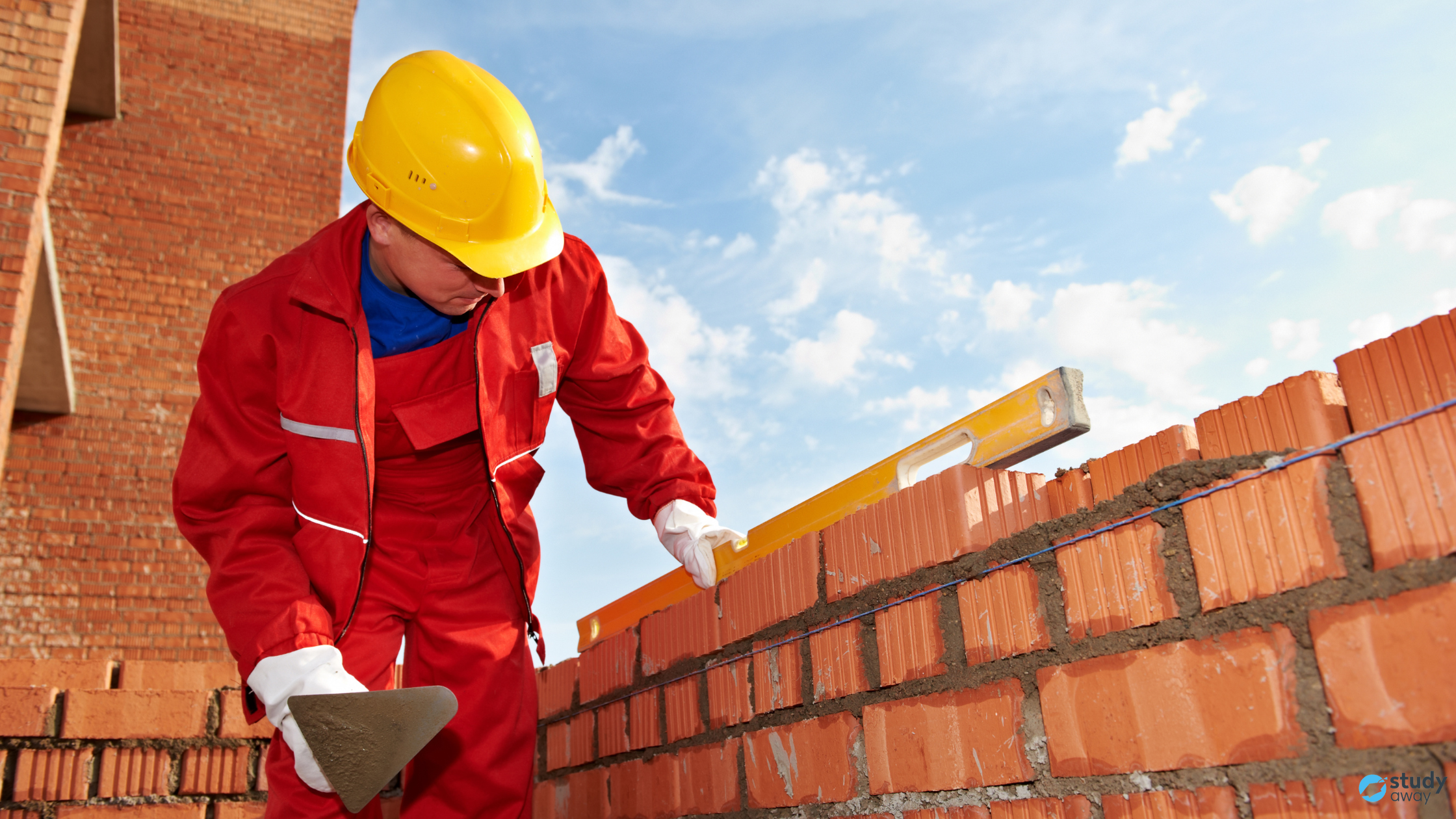
Bricklayer – Occupation Information
Introduction
A Bricklayer is a skilled tradesperson who constructs and repairs walls, partitions, foundations, and other structures using bricks, concrete blocks, and masonry materials.
Bricklayers play an important role in the construction industry, helping build residential homes, commercial buildings, and infrastructure projects.
Their work involves laying bricks in mortar, measuring and aligning materials, cutting bricks to fit structures, and ensuring masonry work meets structural and safety requirements.
In Australia, bricklaying is recognised as a skilled building trade, and most professionals develop their skills through formal training and apprenticeship programs combined with hands-on construction experience.
Types of Bricklaying Work
Bricklayers may specialise in different areas of construction depending on the type of building projects and materials involved.
Common types of bricklaying work include:
- Residential Bricklaying
- Commercial Bricklaying
- Structural Masonry Work
1. Residential Bricklaying
Residential bricklayers work on housing developments and residential construction projects.
Residential Work Scope
|
Work Type |
Description |
|
House Brickwork |
Constructing external and internal brick walls for homes |
|
Boundary Walls |
Building property boundary and garden walls |
|
Fireplaces and Chimneys |
Installing brick fireplaces and chimney structures |
|
Retaining Walls |
Constructing retaining walls for landscaping or structural support |
Residential bricklayers typically work with home builders, housing developers, and construction contractors.
2. Commercial Bricklaying
Commercial bricklayers work on large-scale construction projects and commercial developments.
Commercial Work Scope
|
Work Type |
Description |
|
Commercial Buildings |
Constructing brick structures for offices, schools, and retail buildings |
|
Industrial Facilities |
Building masonry walls in factories and warehouses |
|
Architectural Brickwork |
Creating decorative or patterned brick structures |
|
Large Masonry Walls |
Building structural brick walls for large developments |
Commercial projects often require bricklayers to work from detailed architectural plans and construction drawings.
3. Structural Masonry Work
Bricklayers may also perform specialised structural masonry construction.
Structural Masonry Scope
|
Work Type |
Description |
|
Load-Bearing Walls |
Constructing structural walls that support building weight |
|
Arches and Columns |
Building decorative arches, columns, and brick features |
|
Block and Stone Work |
Installing concrete blocks and masonry stone materials |
|
Restoration Work |
Repairing and restoring damaged brickwork in older buildings |
This type of work requires high levels of precision and technical masonry skills.
State and Territory Licensing Authorities
In some cases, bricklayers may require contractor registration or building licences, depending on the state or territory and the type of work being performed.
|
State / Territory |
Licensing Authority |
Licence Category |
|
New South Wales |
Building Industry Regulator |
Building Contractor Licence |
|
Victoria |
Building Authority |
Building Practitioner Registration |
|
Queensland |
Building and Construction Commission |
Trade Contractor Licence |
|
South Australia |
Consumer and Business Services |
Building Work Contractor Licence |
|
Western Australia |
Building Commission |
Building Contractor Registration |
|
Tasmania |
Building Services Regulator |
Building Services Licence |
|
Australian Capital Territory |
Construction Occupations Registrar |
Construction Licence |
|
Northern Territory |
Building Practitioners Board |
Building Contractor Licence |
These authorities regulate construction licensing, building standards, and compliance requirements.
Training and Qualification Requirements
Working as a bricklayer requires technical training in masonry construction and building practices.
Primary Qualification
Most bricklayers complete a trade qualification through an apprenticeship program.
|
Qualification |
Description |
|
Certificate III in Bricklaying and Blocklaying |
Trade qualification covering bricklaying techniques and masonry construction |
|
Bricklaying Apprenticeship |
On-the-job training combined with formal technical education |
Apprenticeships typically take three to four years and provide practical experience in construction environments.
Key Training Areas
Bricklaying training programs generally cover:
- Reading construction plans and drawings
- Measuring and setting out brickwork
- Mixing and applying mortar
- Cutting and shaping bricks and blocks
- Constructing walls and masonry structures
- Construction safety procedures
These skills allow bricklayers to complete accurate and durable construction work.
Industry Experience
Most bricklayers gain practical experience through apprenticeships and construction projects.
Typical experience may include:
- Working under an experienced bricklayer or construction supervisor
- Participating in housing and commercial building projects
- Learning practical skills such as brick alignment, mortar application, and material preparation
Hands-on experience is essential for developing technical masonry skills and construction knowledge.
Compliance and Industry Regulations
Bricklayers must comply with construction safety regulations, building codes, and structural standards.
Important compliance requirements include:
- Following building plans and approved construction methods
- Ensuring structural stability and alignment of brickwork
- Using appropriate construction safety equipment
- Complying with workplace health and safety regulations
- Meeting local building code requirements
These regulations help ensure buildings are safe, stable, and constructed according to approved standards.
Compliance and Penalties
Failure to comply with construction regulations may result in:
- Financial fines or penalties
- Licence suspension or cancellation
- Construction defects requiring repairs
- Legal enforcement actions
These measures help maintain quality and safety standards in the construction industry.
Where to Verify a Building Licence
Construction licences can be verified through state or territory building regulators.
|
State / Territory |
Licensing Authority |
Source |
|
New South Wales |
State Building Regulator |
|
|
Victoria |
State Building Authority |
|
|
Queensland |
Building and Construction Commission |
|
|
Western Australia |
Building Commission |
|
|
South Australia |
Consumer and Business Services |
|
|
Tasmania |
Building Services Regulator |
|
|
Australian Capital Territory |
Construction Occupations Registrar |
|
|
Northern Territory |
Building Practitioners Board |
Verification helps ensure that construction work is carried out by qualified and authorised professionals.
Career Roles in Bricklaying
Professionals in bricklaying may work in various construction and masonry roles.
Common career paths include:
- Bricklayer
- Blocklayer
- Masonry Construction Specialist
- Brickwork Supervisor
- Construction Site Supervisor
- Building Contractor
- Construction Project Manager
Experienced bricklayers may also become independent contractors or operate their own construction businesses.
Job Outlook and Salary
Demand for bricklayers remains consistent due to ongoing residential housing development, commercial construction, and infrastructure projects.
Typical Salary Range
|
Experience Level |
Average Salary |
|
Entry-Level Bricklayer |
$60,000 – $75,000 |
|
Experienced Bricklayer |
$75,000 – $95,000 |
|
Senior Specialist / Contractor |
$95,000 – $120,000+ |
Bricklayers working on large construction projects or operating contracting businesses may earn higher income levels.
Frequently Asked Questions
What does a bricklayer do?
A bricklayer constructs and repairs walls, foundations, and masonry structures using bricks, blocks, and mortar.
Where do bricklayers work?
Bricklayers commonly work on construction sites, housing developments, commercial buildings, and infrastructure projects.
Do bricklayers need formal training?
Most bricklayers complete an apprenticeship and trade qualification in bricklaying or masonry construction.
Is bricklaying physically demanding?
Yes. Bricklaying involves manual labour, lifting materials, working outdoors, and performing construction tasks for extended periods.