
Floor Installer
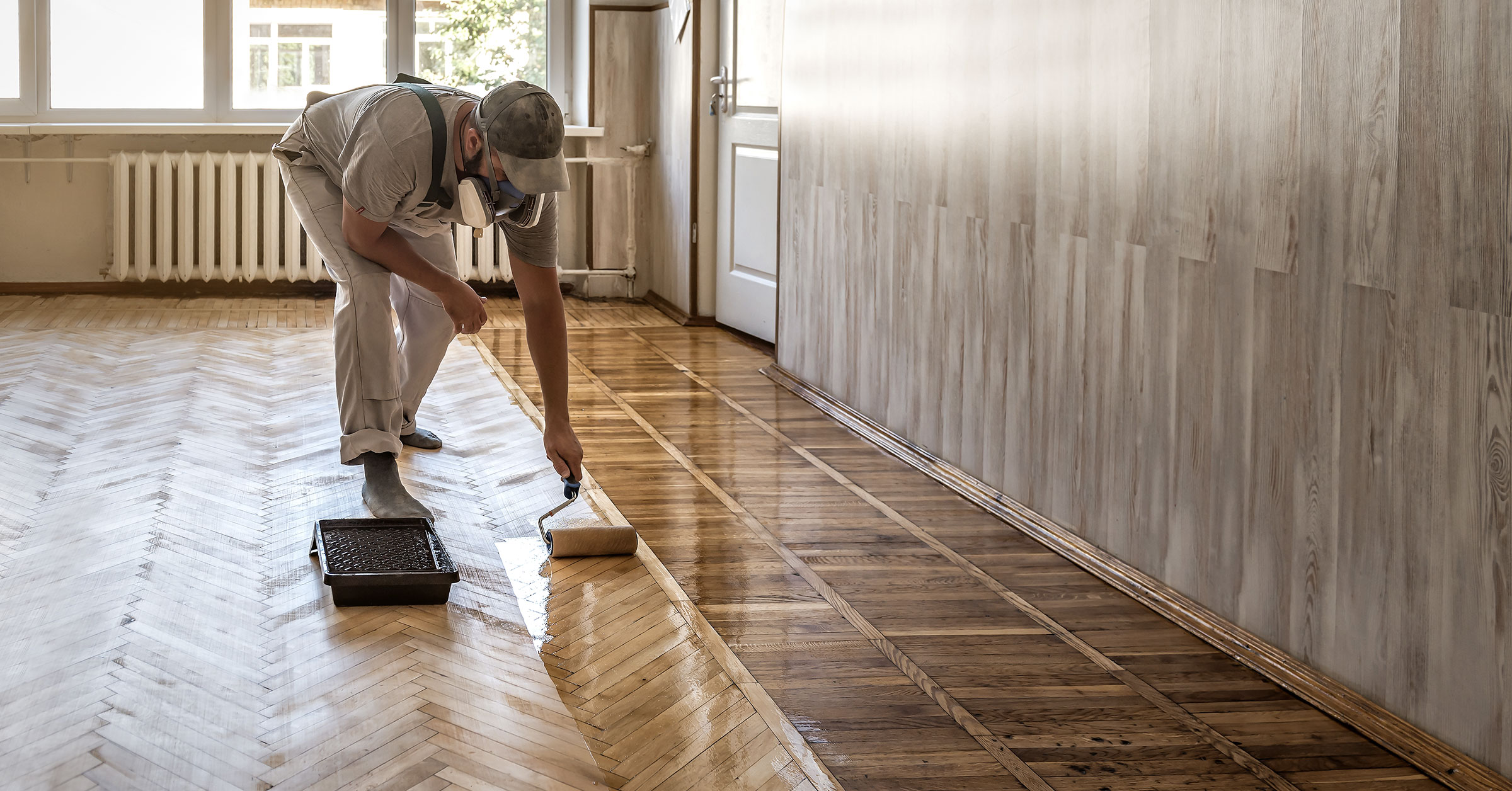
Floor Installer – Occupation Information
Introduction
A Floor Installer is a skilled tradesperson responsible for installing, repairing, and maintaining flooring systems across residential, commercial, and industrial spaces.
They work with materials such as timber, laminate, vinyl, carpet, tiles, and hybrid flooring systems.
Floor installers ensure precise fitting, proper surface preparation, and high-quality finishes.
In Australia, licensing requirements may apply depending on the type of flooring work, project value, and state regulations, especially for structural or waterproofing-related work.
Types of Flooring Work
Floor installers may specialise depending on the materials and installation techniques.
Common types include:
- Hard Flooring Installation
- Soft Flooring Installation
- Specialised Flooring Systems
1. Hard Flooring Installation
This includes durable flooring materials used in residential and commercial buildings.
Hard Flooring Work Scope
|
Work Type |
Description |
|
Timber Flooring |
Installing solid and engineered timber floors |
|
Laminate Flooring |
Installing floating floor systems |
|
Hybrid Flooring |
Waterproof multi-layer flooring systems |
|
Subfloor Preparation |
Levelling and preparing surfaces |
2. Soft Flooring Installation
Soft flooring focuses on flexible and comfort-based flooring materials.
Soft Flooring Work Scope
|
Work Type |
Description |
|
Carpet Installation |
Laying carpet and underlay |
|
Vinyl Flooring |
Installing sheet and plank vinyl |
|
Floor Repairs |
Replacing worn or damaged flooring |
|
Edge Finishing |
Trimming and final detailing |
3. Specialised Flooring Systems
Some installers work on technical or large-scale flooring systems.
Specialised Work Scope
|
Work Type |
Description |
|
Commercial Flooring |
Large-scale flooring installations |
|
Waterproof Flooring |
Wet area flooring systems |
|
Industrial Flooring |
Heavy-duty and durable flooring solutions |
|
Epoxy and Coatings |
Protective floor finishes |
State and Territory Licensing Authorities
Flooring work is regulated under building and construction laws, with licensing requirements depending on scope and project value.
|
State / Territory |
Licensing Authority |
Requirement |
Website |
|
New South Wales |
Fair Trading / Building Regulator |
Licence required for large-scale work |
|
|
Victoria |
Victorian Building Authority |
Registration may be required |
|
|
Queensland |
QBCC |
Licence required for certain flooring work |
|
|
South Australia |
Consumer and Business Services |
Contractor licence may be required |
|
|
Western Australia |
Building Commission |
Licence required for building work |
|
|
Tasmania |
Building and Occupational Services |
Registration may apply |
|
|
Australian Capital Territory |
Access Canberra |
Licensing may be required |
|
|
Northern Territory |
NT Government |
Registration may apply |
Training and Qualification Requirements
Floor installers require practical training and trade-based skills.
Primary Qualification
|
Qualification |
Description |
|
Certificate III in Flooring Technology |
Core flooring qualification |
|
Certificate III in Carpentry or Construction |
Alternative pathway |
|
On-the-Job Training |
Practical skill development |
|
White Card |
Required for construction work |
Key Training Areas
- Flooring installation techniques
- Surface preparation and levelling
- Material cutting and fitting
- Use of adhesives and tools
- Measurement and layout planning
- Workplace health and safety
Industry Experience
Hands-on experience is essential.
Typical experience includes:
- Working on residential and commercial flooring projects
- Assisting with floor installation and repairs
- Using tools and specialised equipment
- Understanding materials and installation methods
Experience ensures accuracy, durability, and quality finishes.
Compliance and Industry Regulations
Floor installers must follow building standards and safety requirements.
Key responsibilities include:
- Installing flooring according to specifications
- Ensuring proper surface preparation
- Meeting safety and building code requirements
- Using approved materials and installation methods
- Maintaining site safety and cleanliness
Compliance and Penalties
Failure to comply may result in:
- Fines and penalties
- Defective work or project delays
- Licence or registration issues
- Liability for poor installation
Where to Verify a Flooring Licence
|
State / Territory |
Authority |
Verification Link |
|
New South Wales |
Licence Check NSW |
|
|
Victoria |
Victorian Building Authority |
|
|
Queensland |
QBCC Licence Search |
|
|
Western Australia |
WA Government |
|
|
South Australia |
CBS Licence Register |
|
|
Tasmania |
CBOS Licence Search |
|
|
Australian Capital Territory |
Access Canberra |
|
|
Northern Territory |
NT Licensing |
Career Roles in Flooring
- Floor Installer
- Flooring Contractor
- Carpet Layer
- Timber Floor Installer
- Vinyl Installer
- Commercial Flooring Specialist
Job Outlook and Salary
|
Experience Level |
Average Salary |
|
Entry-Level |
$55,000 – $70,000 |
|
Experienced |
$70,000 – $95,000 |
|
Senior |
$95,000 – $120,000+ |
Demand is steady due to construction, renovations, and commercial development projects.
Frequently Asked Questions
What does a floor installer do?
A floor installer installs and maintains various flooring systems including timber, carpet, and vinyl.
Do floor installers need a licence in Australia?
Licensing depends on the state and scope of work.
What qualifications are required?
A Certificate III in Flooring Technology or relevant experience is commonly required.
Where do floor installers work?
They work in homes, commercial buildings, and construction sites.