
Drainer
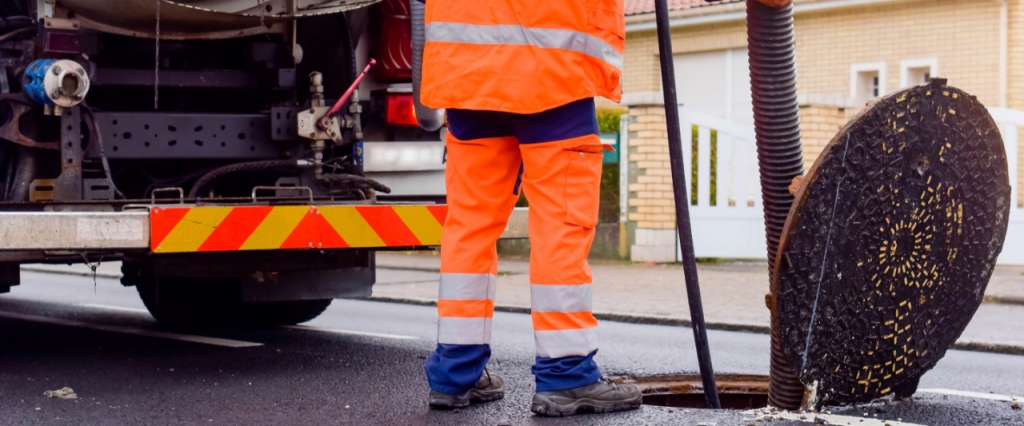
Drainer – Occupation Information
Introduction
A Drainer is a licensed tradesperson responsible for installing, maintaining, and repairing below-ground drainage systems and sewer infrastructure.
They work on stormwater systems, wastewater pipes, and underground drainage networks.
Drainers play a key role in ensuring safe disposal of wastewater and preventing environmental and structural damage.
In Australia, drainage work is regulated and requires formal qualifications, practical experience, and licensing or registration.
Types of Drainage Work
Drainers may specialise depending on the type of system and project scope.
Common types include:
- Residential Drainage Work
- Commercial and Civil Drainage
- On-Site Wastewater Systems
1. Residential Drainage Work
Residential drainers handle household drainage systems and connections.
Residential Work Scope
|
Work Type |
Description |
|
Stormwater Installation |
Installing drainage for rainwater systems |
|
Sewer Connections |
Connecting homes to sewer systems |
|
Drain Repairs |
Fixing blocked or damaged drains |
|
Pipe Installation |
Laying underground drainage pipes |
2. Commercial and Civil Drainage
This involves large-scale drainage systems for infrastructure and developments.
Commercial Work Scope
|
Work Type |
Description |
|
Road Drainage Systems |
Installing drainage for roads and highways |
|
Subdivision Drainage |
Infrastructure for housing developments |
|
Industrial Drainage |
Systems for factories and facilities |
|
Stormwater Management |
Controlling water flow and runoff |
3. On-Site Wastewater Systems
Some drainers specialise in independent wastewater systems.
Specialised Work Scope
|
Work Type |
Description |
|
Septic System Installation |
Installing onsite wastewater systems |
|
Treatment Systems |
Managing wastewater disposal |
|
Effluent Systems |
Designing disposal methods |
|
Maintenance Services |
Servicing and repairing systems |
State and Territory Licensing Authorities
Drainage work requires licensing or registration across all Australian states and territories.
|
State / Territory |
Licensing Authority |
Requirement |
Website |
|
New South Wales |
Building Commission / Fair Trading |
Licence required |
|
|
Victoria |
Victorian Building Authority |
Registration required |
|
|
Queensland |
QBCC |
Licence required |
|
|
South Australia |
Consumer and Business Services |
Licence required |
|
|
Western Australia |
Building Commission |
Registration required |
|
|
Tasmania |
Building and Occupational Services |
Licence required |
|
|
Australian Capital Territory |
Access Canberra |
Licence required |
|
|
Northern Territory |
Plumbers Licensing Board / NT Government |
Licence required |
Training and Qualification Requirements
Drainers require technical training, trade qualifications, and hands-on experience.
Primary Qualification
|
Qualification |
Description |
|
Certificate II in Drainage |
Entry-level qualification |
|
Certificate III in Plumbing (Drainage Stream) |
Core trade qualification |
|
Apprenticeship |
Practical training pathway |
|
White Card |
Required for construction work |
Key Training Areas
- Drainage system installation and design
- Pipe laying and alignment
- Stormwater and sewer systems
- Reading plans and specifications
- Excavation and trench safety
- Workplace health and safety practices
Industry Experience
Practical experience is essential.
Typical experience includes:
- Working on construction and plumbing sites
- Assisting with pipe installation and drainage systems
- Operating tools and machinery
- Understanding underground infrastructure systems
Experience builds technical skills and safety awareness.
Compliance and Industry Regulations
Drainage work must comply with strict plumbing and construction standards.
Key responsibilities include:
- Installing drainage systems according to regulations
- Ensuring proper waste disposal and flow systems
- Preventing contamination and environmental risks
- Following approved construction methods
- Maintaining safety standards on-site
Compliance and Penalties
Failure to comply may result in:
- Fines and legal penalties
- Worksite shutdowns
- Licence suspension or cancellation
- Health and environmental risks
Where to Verify a Drainer Licence
|
State / Territory |
Authority |
Verification Link |
|
New South Wales |
Licence Check NSW |
|
|
Victoria |
Victorian Building Authority |
|
|
Queensland |
QBCC Licence Search |
|
|
Western Australia |
WA Government |
|
|
South Australia |
CBS Licence Register |
|
|
Tasmania |
CBOS Licence Search |
|
|
Australian Capital Territory |
Access Canberra |
|
|
Northern Territory |
NT Licensing |
Career Roles in Drainage
- Drainer
- Plumber and Drainer
- Drainage Technician
- Civil Construction Worker
- Pipe Layer
- Drainage Contractor
Job Outlook and Salary
|
Experience Level |
Average Salary |
|
Entry-Level |
$60,000 – $75,000 |
|
Experienced |
$75,000 – $100,000 |
|
Senior |
$100,000 – $130,000+ |
Demand remains strong due to construction, infrastructure, and urban development projects.
Frequently Asked Questions
What does a drainer do?
A drainer installs and maintains underground drainage and sewer systems.
Do drainers need a licence in Australia?
Yes, drainage work requires licensing or registration in all states and territories.
What qualifications are required?
Typically a Certificate II or III in drainage or plumbing, along with experience.
Where do drainers work?
They work on construction sites, infrastructure projects, and residential developments.