
Concreter
Concreter – Occupation Information
Introduction
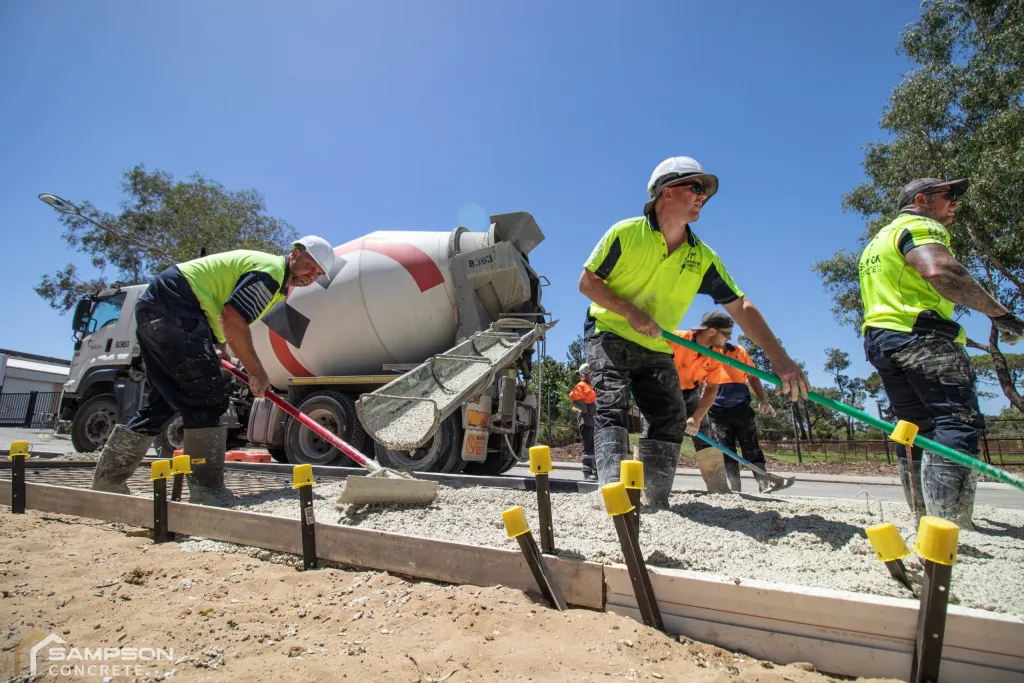
A Concreter is a skilled tradesperson responsible for mixing, pouring, spreading, and finishing concrete for construction projects.
They work on foundations, driveways, slabs, footpaths, and structural elements.
Concreters are essential in residential, commercial, and infrastructure construction projects.
In Australia, this role requires practical skills, safety compliance, and in some cases licensing depending on the scope of work.
Types of Concreting Work
Concreters may specialise depending on the type of project and construction stage.
Common types include:
- Residential Concreting
- Commercial and Civil Concreting
- Decorative and Finishing Concreting
1. Residential Concreting
Residential concreters focus on home construction and outdoor surfaces.
Residential Work Scope
|
Work Type |
Description |
|
Concrete Slabs |
Pouring foundations for houses |
|
Driveways |
Installing durable concrete driveways |
|
Pathways |
Creating footpaths and outdoor surfaces |
|
Garage Floors |
Laying concrete flooring |
This work requires precision, leveling, and finishing accuracy.
2. Commercial and Civil Concreting
This involves large-scale construction and infrastructure projects.
Commercial Work Scope
|
Work Type |
Description |
|
Structural Concrete |
Foundations for buildings and structures |
|
Roadworks |
Concreting for roads and infrastructure |
|
Industrial Floors |
Installing heavy-duty flooring |
|
Bridges and Structures |
Supporting engineering projects |
These projects require advanced techniques and coordination.
3. Decorative and Finishing Concreting
Some concreters specialise in aesthetic finishes and surface treatments.
Decorative Work Scope
|
Work Type |
Description |
|
Stamped Concrete |
Patterned concrete finishes |
|
Exposed Aggregate |
Textured surface finishes |
|
Polished Concrete |
Smooth interior flooring |
|
Coloured Concrete |
Decorative coloured finishes |
This area requires attention to detail and finishing skills.
State and Territory Licensing Authorities
Licensing requirements depend on project value and scope of work.
|
State / Territory |
Licensing Authority |
Requirement |
|
New South Wales |
Building Regulator |
Licence required above certain project value |
|
Victoria |
Building Authority |
Registration may be required |
|
Queensland |
Building and Construction Commission |
Licence required |
|
South Australia |
Consumer and Business Services |
Licence required |
|
Western Australia |
Building Commission |
Registration may apply |
|
Tasmania |
Building and Occupational Services |
Licence required depending on scope |
|
Australian Capital Territory |
Construction Occupations Registrar |
Licensing required |
|
Northern Territory |
Building Practitioners Board |
Registration required |
Training and Qualification Requirements
Concreters require hands-on training and construction knowledge.
Primary Qualification
|
Qualification |
Description |
|
Certificate III in Concreting |
Core trade qualification |
|
Certificate III in Civil Construction |
Pathway for infrastructure work |
|
White Card |
Mandatory for construction site work |
Key Training Areas
- Concrete mixing and preparation
- Pouring and leveling techniques
- Surface finishing and curing
- Use of tools and machinery
- Reading construction plans
- Workplace safety practices
Industry Experience
Typical experience includes:
- Working on construction sites
- Assisting in concrete placement and finishing
- Learning use of tools and equipment
- Understanding materials and curing methods
Experience develops precision and efficiency.
Compliance and Industry Regulations
Concreters must follow construction standards and safety regulations.
Key responsibilities include:
- Following design specifications
- Ensuring structural strength
- Maintaining safety standards
- Using tools correctly
- Complying with workplace regulations
Compliance and Penalties
Failure to comply may result in:
- Fines or penalties
- Defective work repairs
- Project delays
- Licence suspension (if applicable)
Where to Verify a Concreter Licence
|
State / Territory |
Licensing Authority |
Source |
|
New South Wales |
Building Regulator |
|
|
Victoria |
Building Authority |
|
|
Queensland |
Building and Construction Commission |
|
|
Western Australia |
Building Commission |
|
|
South Australia |
Consumer and Business Services |
|
|
Tasmania |
Building and Occupational Services |
|
|
Australian Capital Territory |
Construction Occupations Registrar |
|
|
Northern Territory |
Building Practitioners Board |
Career Roles in Concreting
- Concreter
- Concrete Finisher
- Civil Construction Worker
- Formwork Worker
- Construction Labourer
- Site Supervisor
Job Outlook and Salary
|
Experience Level |
Average Salary |
|
Entry-Level |
$55,000 – $70,000 |
|
Experienced |
$70,000 – $90,000 |
|
Senior |
$90,000 – $110,000+ |
Frequently Asked Questions
What does a concreter do?
A concreter mixes, pours, and finishes concrete for construction projects.
Do concreters need a licence?
Yes, depending on the project type and state regulations.
What skills are required?
Physical strength, precision, and tool handling skills are essential.
Where do concreters work?
They work on construction sites, residential and commercial projects.