
Asbestos Removalist
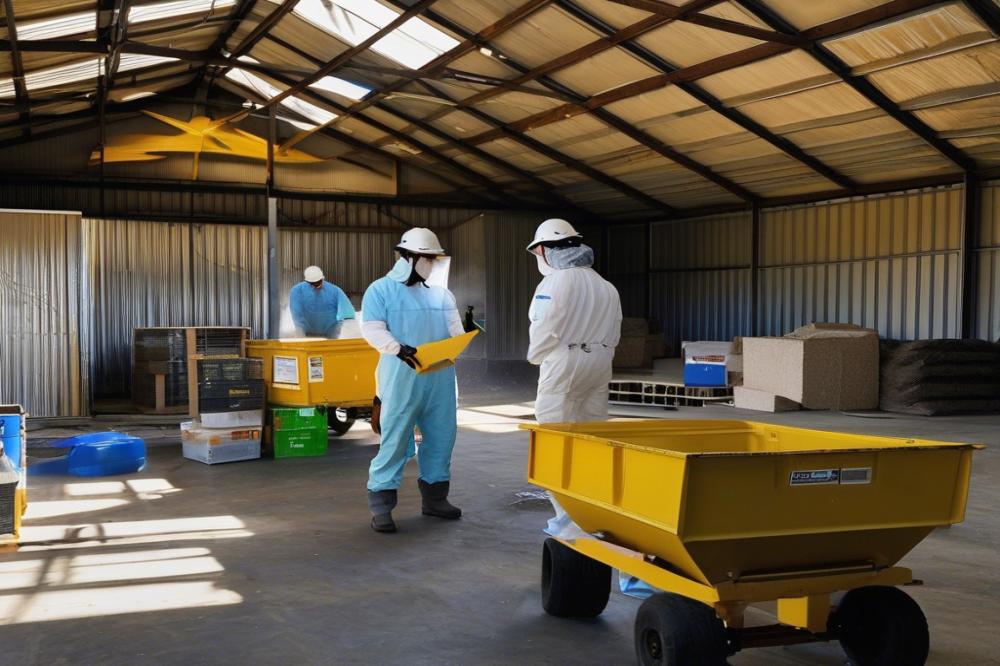
Asbestos Removalist – Occupation Information
Introduction
An Asbestos Removalist is a trained professional responsible for the safe removal, handling, containment, and disposal of asbestos-containing materials from buildings and work environments.
These specialists commonly work on construction, demolition, renovation, and maintenance projects, particularly in older buildings where asbestos may be present in construction materials.
Because asbestos fibres can pose serious health risks when disturbed, asbestos removal work must follow strict safety procedures, environmental protection standards, and licensing requirements.
In Australia, most asbestos removal work must be carried out by licensed asbestos removal professionals who are trained to safely manage hazardous materials and prevent exposure to airborne asbestos fibres.
Types of Asbestos Removal Licences
Asbestos removal work requires specific licences depending on the type and condition of asbestos materials being removed.
The two primary licence categories include:
- Class A Asbestos Removal Licence
- Class B Asbestos Removal Licence
These licences determine the type of asbestos materials that contractors are permitted to remove.
1. Class A Asbestos Removal Licence
A Class A Asbestos Removal Licence allows contractors to remove all types of asbestos materials, including high-risk friable asbestos.
Class A Licence Scope
|
Licence Type |
Who It Applies To |
Scope of Work |
|
Class A Asbestos Removal Licence |
Licensed asbestos removal contractors |
Removal of friable asbestos materials |
|
Class A Asbestos Removal Licence |
Specialist hazardous material contractors |
Removal of bonded (non-friable) asbestos |
|
Class A Asbestos Removal Licence |
Professional asbestos removal companies |
Removal of asbestos-contaminated dust and debris |
A Class A licence allows contractors to perform both Class A and Class B asbestos removal work.
2. Class B Asbestos Removal Licence
A Class B Asbestos Removal Licence permits contractors to remove non-friable (bonded) asbestos materials.
Class B Licence Scope
|
Licence Type |
Who It Applies To |
Scope of Work |
|
Class B Asbestos Removal Licence |
Licensed removal contractors |
Removal of bonded asbestos materials |
|
Class B Asbestos Removal Licence |
Construction and demolition contractors |
Removal of asbestos cement sheets and products |
|
Class B Asbestos Removal Licence |
Asbestos removal businesses |
Removal of asbestos-contaminated dust related to non-friable materials |
Class B licence holders cannot remove friable asbestos, which requires a Class A licence.
State and Territory Licensing Authorities
Asbestos removal licensing is regulated by workplace health and safety authorities in each Australian state and territory.
|
State / Territory |
Licensing Authority |
Licence Category |
|
New South Wales |
Workplace Safety Authority |
Asbestos Removal Licence |
|
Victoria |
Work Safety Authority |
Asbestos Removal Licence |
|
Queensland |
Workplace Health and Safety Authority |
Asbestos Removal Licence |
|
South Australia |
Workplace Safety Authority |
Asbestos Removal Licence |
|
Western Australia |
Work Safety Authority |
Asbestos Removal Licence |
|
Tasmania |
Work Safety Authority |
Asbestos Removal Licence |
|
Australian Capital Territory |
Workplace Safety Authority |
Asbestos Removal Licence |
|
Northern Territory |
Workplace Safety Authority |
Asbestos Removal Licence |
These authorities oversee licensing, safety standards, compliance monitoring, and training requirements.
Training and Qualification Requirements
Working as an asbestos removalist requires specialised training in hazardous material handling and workplace safety procedures.
Primary Training
Workers and supervisors involved in asbestos removal must complete approved training programs related to asbestos removal and safety procedures.
|
Qualification |
Description |
|
Remove Non-Friable Asbestos Training |
Training focused on removing bonded asbestos materials safely |
|
Remove Friable Asbestos Training |
Training covering high-risk asbestos removal procedures |
|
Supervise Asbestos Removal Work |
Training designed for supervisors responsible for asbestos removal projects |
These programs help ensure workers understand the correct procedures for handling, removing, and disposing of asbestos materials.
Key Training Areas
Training for asbestos removalists usually includes:
- Identification of asbestos-containing materials
- Safe asbestos removal techniques
- Use of personal protective equipment (PPE)
- Hazard control and containment procedures
- Safe transportation and disposal of asbestos waste
- Environmental and workplace safety regulations
These skills ensure asbestos removal work is carried out safely and in accordance with workplace safety requirements.
Industry Experience
Applicants for asbestos removal licences generally require practical industry experience in asbestos removal operations.
Typical experience may include:
- Working under a licensed asbestos removal contractor
- Participating in asbestos removal or demolition projects
- Demonstrating competency in safe asbestos handling procedures
This experience ensures workers are familiar with hazard control measures and safety protocols used in asbestos removal work.
Compliance and Industry Regulations
Because asbestos fibres can become airborne and cause serious health problems, asbestos removal work must follow strict safety regulations and environmental controls.
Licensed asbestos removalists must ensure:
- Proper containment of asbestos materials during removal
- Use of protective clothing and respiratory protection
- Restricted access to asbestos removal areas
- Safe packaging, transport, and disposal of asbestos waste
- Decontamination procedures for workers and equipment
These safety measures help prevent exposure to asbestos fibres in the workplace and surrounding environment.
Compliance and Penalties
Performing asbestos removal work without the required licence may result in serious consequences.
Possible penalties may include:
- Financial fines
- Licence suspension or cancellation
- Legal enforcement actions
- Restrictions on operating as an asbestos removal contractor
Strict enforcement helps ensure asbestos removal work is carried out only by trained and licensed professionals.
Where to Verify an Asbestos Removal Licence
Licensed asbestos removal contractors can be verified through state and territory workplace safety authorities.
|
State / Territory |
Licensing Authority |
Source |
|
New South Wales |
State Workplace Safety Authority |
|
|
Victoria |
State Work Safety Authority |
|
|
Queensland |
Workplace Health and Safety Authority |
|
|
Western Australia |
State Work Safety Authority |
|
|
South Australia |
Workplace Safety Authority |
|
|
Tasmania |
State Work Safety Authority |
|
|
Australian Capital Territory |
Territory Workplace Safety Authority |
|
|
Northern Territory |
Territory Workplace Safety Authority |
Verifying a licence helps confirm that a contractor is authorised to carry out asbestos removal work safely and legally.
Career Roles in Asbestos Removal
Professionals working in asbestos removal may hold a range of roles within construction, demolition, and environmental safety industries.
Common career roles include:
- Licensed Asbestos Removalist
- Asbestos Removal Supervisor
- Hazardous Materials Technician
- Demolition Safety Specialist
- Environmental Compliance Officer
- Construction Safety Officer
- Workplace Health and Safety Consultant
These professionals often work with construction companies, demolition contractors, environmental consulting firms, and government agencies.
Job Outlook and Salary
Demand for asbestos removal professionals remains steady due to ongoing building renovations, demolition work, and workplace safety compliance requirements.
Typical Salary Range
|
Experience Level |
Average Salary |
|
Entry-Level Removalist |
$60,000 – $75,000 |
|
Experienced Removalist |
$75,000 – $95,000 |
|
Senior Specialist / Supervisor |
$95,000 – $115,000+ |
Professionals with additional expertise in hazardous materials management or workplace safety supervision may earn higher salaries.
Frequently Asked Questions
What does an asbestos removalist do?
An asbestos removalist safely removes, contains, transports, and disposes of asbestos-containing materials from buildings and construction sites.
Why is asbestos removal regulated?
Asbestos fibres can cause serious respiratory diseases when inhaled, so removal work must follow strict safety and environmental regulations.
What is the difference between Class A and Class B asbestos removal licences?
Class A licences allow removal of friable and non-friable asbestos, while Class B licences allow removal of non-friable asbestos only.
Where do asbestos removalists typically work?
They commonly work on construction sites, demolition projects, renovation works, and industrial facilities where asbestos materials are present.