
Plumber
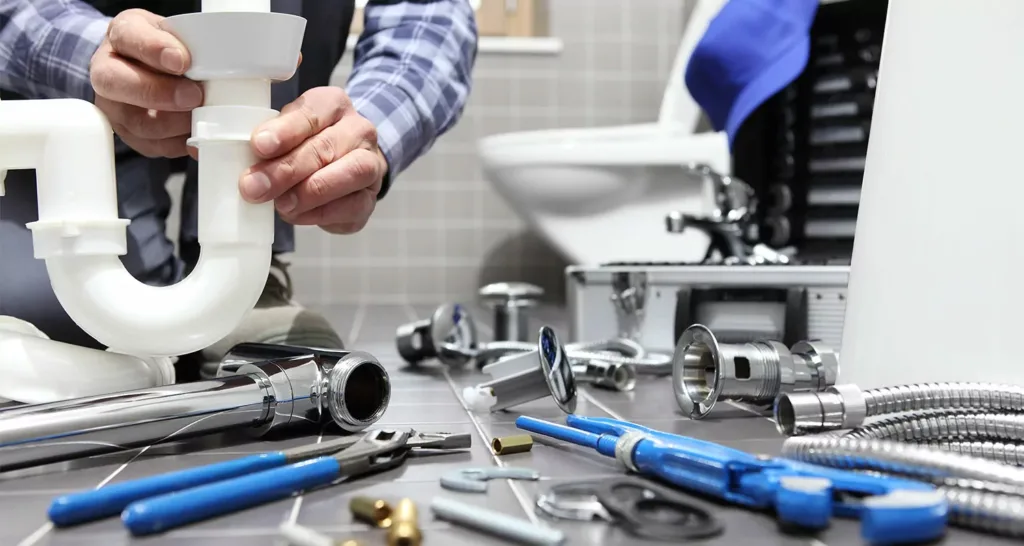
Plumber – Occupation Information
Introduction
A Plumber is a licensed tradesperson who installs, maintains, and repairs systems related to water supply, drainage, gas, and waste disposal.
They work across residential, commercial, and industrial environments, ensuring that plumbing systems operate safely and efficiently.
Plumbers are responsible for installing pipes, fixtures, and appliances, as well as diagnosing and resolving issues such as leaks, blockages, and system faults.
This trade plays a key role in maintaining health, safety, and building functionality.
Types of Plumbing Work
Plumbers may specialise depending on the systems they work with.
Common types include:
- Water Supply Plumbing
- Drainage and Sewer Plumbing
- Gasfitting
- Roof and Mechanical Plumbing
1. Water Supply Plumbing
This involves systems that deliver clean water to buildings.
Work Scope
|
Work Type |
Description |
|
Pipe Installation |
Installing hot and cold water systems |
|
Fixture Installation |
Sinks, taps, showers, and toilets |
|
System Maintenance |
Ensuring proper water flow |
|
Leak Repairs |
Detecting and fixing leaks |
2. Drainage and Sewer Plumbing
This focuses on removing wastewater safely.
Work Scope
|
Work Type |
Description |
|
Drain Installation |
Installing underground drainage systems |
|
Sewer Connections |
Connecting to main sewer lines |
|
Blockage Clearing |
Removing obstructions |
|
Waste Systems |
Managing wastewater flow |
3. Gasfitting
Gasfitting involves installing and maintaining gas systems.
Work Scope
|
Work Type |
Description |
|
Gas Line Installation |
Installing gas supply pipes |
|
Appliance Connection |
Gas stoves, heaters, and systems |
|
Leak Testing |
Ensuring safe operation |
|
Safety Checks |
Maintaining compliance with safety standards |
4. Roof and Mechanical Plumbing
This includes specialised systems related to buildings.
Work Scope
|
Work Type |
Description |
|
Roof Drainage |
Gutters and downpipes |
|
Rainwater Systems |
Collection and reuse systems |
|
Heating and Cooling Systems |
Piping for mechanical systems |
|
System Integration |
Connecting plumbing with building systems |
State and Territory Licensing Authorities
Plumbing is a regulated trade, and licensing is required to carry out most plumbing work.
|
State / Territory |
Licensing Authority |
Requirement |
Website |
|
New South Wales |
Fair Trading NSW |
Licence required |
|
|
Victoria |
Victorian Building Authority |
Licence/registration required |
|
|
Queensland |
QBCC |
Licence required |
|
|
South Australia |
Consumer and Business Services |
Licence required |
|
|
Western Australia |
Building and Energy |
Licence required |
|
|
Tasmania |
CBOS |
Licence required |
|
|
Australian Capital Territory |
Access Canberra |
Licence required |
|
|
Northern Territory |
NT Government |
Licence required |
Training and Qualification Requirements
Plumbers must complete formal training and licensing requirements before working independently.
Primary Qualification
|
Qualification |
Description |
|
Certificate III in Plumbing |
Core trade qualification |
|
Apprenticeship (3–4 years) |
Practical training pathway |
|
Certificate IV in Plumbing and Services |
Required for advanced licensing |
|
White Card |
Required for construction work |
Key Training Areas
- Pipe installation and system design
- Water and drainage systems
- Gas installation and safety
- Reading plans and technical drawings
- Testing and maintenance procedures
- Workplace safety practices
Industry Experience
Hands-on experience is essential in plumbing.
Typical experience includes:
- Installing and repairing plumbing systems
- Working with water, gas, and drainage networks
- Diagnosing faults and performing repairs
- Using specialised tools and equipment
- Working on construction and maintenance projects
Experience ensures safe, efficient, and compliant plumbing systems.
Compliance and Industry Regulations
Plumbers must follow strict regulations due to safety risks.
Key responsibilities include:
- Completing work according to plumbing standards
- Ensuring safe installation of water and gas systems
- Testing systems for leaks and performance
- Providing required compliance documentation
- Following workplace safety procedures
Compliance and Penalties
Failure to comply may result in:
- Water leaks or system failures
- Gas safety hazards
- Property damage
- Legal penalties and fines
- Issues with inspections or approvals
Where to Verify a Licence or Registration
|
State / Territory |
Authority |
Verification Link |
|
New South Wales |
Licence Check NSW |
|
|
Victoria |
VBA Practitioner Search |
|
|
Queensland |
QBCC Licence Search |
|
|
Western Australia |
WA Government |
|
|
South Australia |
CBS Licence Register |
|
|
Tasmania |
CBOS Licence Search |
|
|
Australian Capital Territory |
Access Canberra |
|
|
Northern Territory |
NT Government |
Career Roles in Plumbing
- Plumber
- Gasfitter
- Drainage Specialist
- Maintenance Plumber
- Mechanical Services Plumber
Job Outlook and Salary
|
Experience Level |
Average Salary |
|
Entry-Level |
$60,000 – $75,000 |
|
Experienced |
$75,000 – $110,000 |
|
Senior / Contractor |
$110,000 – $150,000+ |
Demand is supported by construction, maintenance services, infrastructure development, and ongoing repair needs.
Frequently Asked Questions
What does a plumber do?
A plumber installs and repairs systems for water, gas, and drainage.
Do plumbers need a licence?
Yes, plumbing work requires licensing in all regions.
How long does it take to become a plumber?
Usually 3–4 years through an apprenticeship.
Is plumbing a good career?
Yes, it offers steady demand, strong earning potential, and career growth.