
Water Proofer
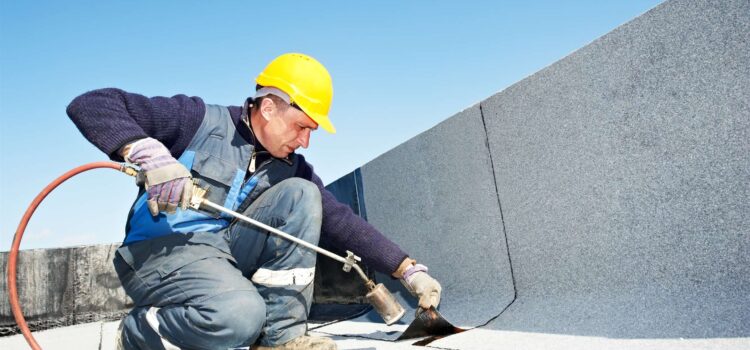
Waterproofer – Occupation Information
Introduction
A Waterproofer is a skilled tradesperson responsible for applying waterproofing systems and protective coatings to prevent water penetration in buildings and structures.
They work on residential, commercial, and industrial projects, protecting areas such as bathrooms, rooftops, basements, and external surfaces from moisture damage.
Waterproofers perform tasks including surface preparation, membrane installation, sealing joints, and applying protective coatings, ensuring long-term durability and structural protection.
This occupation requires attention to detail, knowledge of materials, and an understanding of moisture control systems.
Types of Waterproofing Work
Waterproofers may specialise depending on the application and environment.
Common types include:
- Internal Waterproofing
- External Waterproofing
- Roof Waterproofing
- Below-Ground Waterproofing
1. Internal Waterproofing
This involves protecting indoor wet areas.
Work Scope
|
Work Type |
Description |
|
Bathroom Waterproofing |
Sealing wet areas before tiling |
|
Laundry Areas |
Preventing water leakage |
|
Kitchen Areas |
Protecting surfaces from moisture |
|
Joint Sealing |
Sealing gaps and corners |
2. External Waterproofing
This focuses on outdoor surfaces exposed to weather.
Work Scope
|
Work Type |
Description |
|
Balconies and Decks |
Applying protective membranes |
|
External Walls |
Preventing water penetration |
|
Facade Protection |
Sealing building exteriors |
|
Surface Coatings |
Weather-resistant finishes |
3. Roof Waterproofing
This involves protecting roofs from water damage.
Work Scope
|
Work Type |
Description |
|
Flat Roof Systems |
Applying waterproof membranes |
|
Roof Sealing |
Preventing leaks |
|
Drainage Systems |
Ensuring proper water flow |
|
Maintenance Work |
Inspecting and repairing roofs |
4. Below-Ground Waterproofing
This includes waterproofing structures below ground level.
Work Scope
|
Work Type |
Description |
|
Basement Waterproofing |
Preventing water ingress |
|
Foundation Protection |
Sealing below-ground structures |
|
Retaining Walls |
Applying moisture barriers |
|
Drainage Systems |
Managing groundwater flow |
State and Territory Licensing Authorities
Waterproofing is part of the construction and building sector, and licensing may be required depending on the scope and value of work.
|
State / Territory |
Licensing Authority |
Requirement |
Website |
|
New South Wales |
Fair Trading NSW |
Licence required for waterproofing work |
|
|
Victoria |
Victorian Building Authority |
Registration/licence may apply |
|
|
Queensland |
QBCC |
Licence required |
|
|
South Australia |
Consumer and Business Services |
Contractor licence may apply |
|
|
Western Australia |
Building and Energy |
Registration/licence may apply |
|
|
Tasmania |
CBOS |
Licensing may apply |
|
|
Australian Capital Territory |
Access Canberra |
Licence may be required |
|
|
Northern Territory |
NT Government |
Licensing may apply |
Training and Qualification Requirements
Waterproofers develop their skills through trade training and practical experience.
Primary Qualification
|
Qualification |
Description |
|
Certificate III in Construction Waterproofing |
Core trade qualification |
|
Apprenticeship or On-the-Job Training |
Practical training pathway |
|
White Card |
Required for construction work |
|
Specialised Training |
Membrane systems and coatings |
Key Training Areas
- Surface preparation techniques
- Waterproof membrane installation
- Sealants and coatings application
- Drainage and moisture control
- Reading plans and specifications
- Workplace safety
Industry Experience
Hands-on experience is essential in waterproofing.
Typical experience includes:
- Applying waterproof membranes and coatings
- Preparing surfaces for installation
- Sealing joints and preventing leaks
- Working on residential and commercial projects
- Inspecting and maintaining waterproof systems
Experience ensures effective moisture protection and long-term durability.
Compliance and Industry Regulations
Waterproofers must follow construction and safety standards.
Key responsibilities include:
- Ensuring proper waterproofing in wet areas
- Installing systems according to specifications
- Using approved materials and methods
- Following safety procedures on-site
- Meeting building requirements
Compliance and Penalties
Failure to comply may result in:
- Water leaks and structural damage
- Mould and moisture issues
- Safety risks
- Legal penalties and fines
- Increased repair costs
Where to Verify a Licence or Registration
|
State / Territory |
Authority |
Verification Link |
|
New South Wales |
Licence Check NSW |
|
|
Victoria |
VBA Practitioner Search |
|
|
Queensland |
QBCC Licence Search |
|
|
Western Australia |
WA Government |
|
|
South Australia |
CBS Licence Register |
|
|
Tasmania |
CBOS Licence Search |
|
|
Australian Capital Territory |
Access Canberra |
|
|
Northern Territory |
NT Government |
Career Roles in Waterproofing
- Waterproofer
- Waterproofing Technician
- Membrane Installer
- Construction Waterproofing Specialist
- Waterproofing Contractor
Job Outlook and Salary
|
Experience Level |
Average Salary |
|
Entry-Level |
$55,000 – $70,000 |
|
Experienced |
$70,000 – $95,000 |
|
Senior / Contractor |
$95,000 – $130,000+ |
Demand is driven by construction, renovation, and building maintenance projects.
Frequently Asked Questions
What does a waterproofer do?
A waterproofer applies systems and materials to prevent water entering buildings.
Where is waterproofing required?
It is used in bathrooms, roofs, basements, balconies, and external surfaces.
Do waterproofers need a licence?
Yes, licensing may be required depending on the type of work and location.
Is waterproofing important in construction?
Yes, it protects structures from water damage and extends building lifespan.