
Paver
Paver – Occupation Information
Introduction
A Paver is a tradesperson who installs paving materials like concrete, bricks, stone, and asphalt to create strong and level outdoor surfaces.
They work on areas such as driveways, roads, pathways, patios, and public spaces.
Pavers are responsible for preparing the base, laying materials accurately, and finishing surfaces for durability and appearance.
This role requires physical effort, precision, and knowledge of construction techniques.
Types of Paving Work
Pavers may specialise depending on the type of materials and projects.
Common types include:
- Road and Asphalt Paving
- Brick and Stone Paving
- Concrete Paving
- Decorative and Landscape Paving
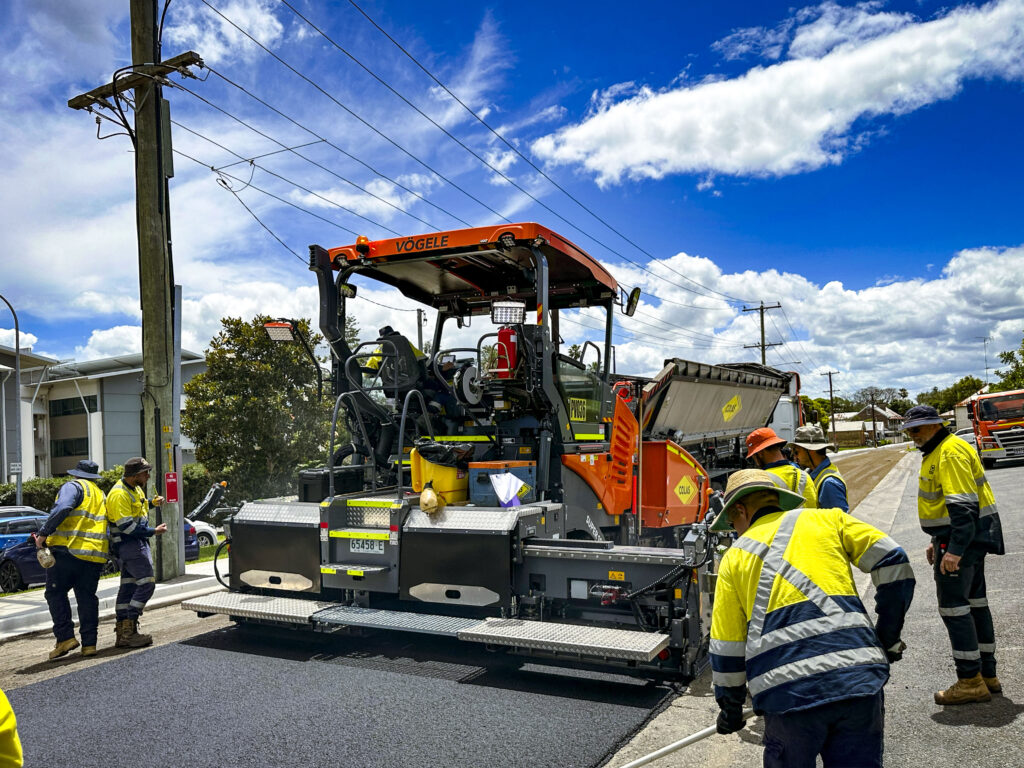
1. Road and Asphalt Paving
This involves constructing large-scale paved surfaces such as roads and highways.
Work Scope
|
Work Type |
Description |
|
Ground Preparation |
Clearing, grading, and compacting surfaces |
|
Asphalt Application |
Spreading and leveling asphalt |
|
Machine Operation |
Using paving machines and rollers |
|
Surface Finishing |
Ensuring smooth and even surfaces |
2. Brick and Stone Paving
This focuses on installing paving units for outdoor areas.
Work Scope
|
Work Type |
Description |
|
Layout Planning |
Setting out design patterns |
|
Base Preparation |
Preparing sand or gravel base |
|
Paver Installation |
Laying bricks or stones evenly |
|
Joint Filling |
Securing pavers with sand or mortar |
3. Concrete Paving
Concrete paving is used for strong and long-lasting surfaces.
Work Scope
|
Work Type |
Description |
|
Formwork Setup |
Creating molds for concrete |
|
Concrete Placement |
Pouring and spreading concrete |
|
Leveling and Finishing |
Smoothing and curing surfaces |
|
Repair Work |
Fixing cracks or damaged areas |
4. Decorative and Landscape Paving
This involves creating visually appealing outdoor surfaces.
Work Scope
|
Work Type |
Description |
|
Patios and Walkways |
Installing outdoor living spaces |
|
Driveways |
Functional and decorative surfaces |
|
Garden Paths |
Landscaping features |
|
Pattern Design |
Custom layouts and finishes |
State and Territory Licensing Authorities
Paving work may require licensing depending on project scope and contract value.
|
State / Territory |
Licensing Authority |
Requirement |
Website |
|
New South Wales |
Fair Trading NSW |
Licence may be required |
|
|
Victoria |
Victorian Building Authority |
Registration may apply |
|
|
Queensland |
QBCC |
Licence required for certain work |
|
|
South Australia |
Consumer and Business Services |
Contractor licence may apply |
|
|
Western Australia |
Building and Energy |
Registration may apply |
|
|
Tasmania |
CBOS |
Licensing may apply |
|
|
Australian Capital Territory |
Access Canberra |
Registration/licensing may apply |
|
|
Northern Territory |
NT Government |
Licensing may apply |
Training and Qualification Requirements
Pavers typically develop skills through training and hands-on experience.
Primary Qualification
|
Qualification |
Description |
|
Certificate III in Civil Construction or Construction |
Core qualification |
|
Apprenticeship or Traineeship |
On-the-job learning pathway |
|
White Card |
Required for construction sites |
|
Equipment Training |
For machinery operation |
Key Training Areas
- Surface preparation and leveling
- Paving installation techniques
- Use of tools and machinery
- Measurement and layout
- Material handling
- Workplace safety
Industry Experience
Practical experience is essential in paving work.
Typical experience includes:
- Preparing foundations and base layers
- Laying various paving materials
- Operating equipment and tools
- Working on construction and landscaping sites
- Repairing and maintaining paved surfaces
Experience ensures accuracy, durability, and consistent results.
Compliance and Industry Regulations
Pavers must follow construction and safety standards.
Key responsibilities include:
- Ensuring stable and level surfaces
- Using appropriate materials and methods
- Maintaining proper drainage
- Following safety procedures on-site
- Meeting project specifications
Compliance and Penalties
Failure to comply may result in:
- Uneven or unstable paving
- Drainage problems
- Safety hazards
- Rework and additional costs
- Legal or contractual issues
Where to Verify a Licence or Registration
|
State / Territory |
Authority |
Verification Link |
|
New South Wales |
Licence Check NSW |
|
|
Victoria |
VBA Practitioner Search |
|
|
Queensland |
QBCC Licence Search |
|
|
Western Australia |
WA Government |
|
|
South Australia |
CBS Licence Register |
|
|
Tasmania |
CBOS Licence Search |
|
|
Australian Capital Territory |
Access Canberra |
|
|
Northern Territory |
NT Government |
Career Roles in Paving
- Paver
- Asphalt Worker
- Brick Paver
- Road Construction Worker
- Landscaping Paver
Job Outlook and Salary
|
Experience Level |
Average Salary |
|
Entry-Level |
$50,000 – $65,000 |
|
Experienced |
$65,000 – $90,000 |
|
Senior |
$90,000 – $110,000+ |
Demand is driven by infrastructure development, road construction, and residential landscaping projects.
Frequently Asked Questions
What does a paver do?
A paver installs and maintains surfaces using materials like concrete, bricks, and asphalt.
Do pavers need qualifications?
Formal training is helpful but many learn through practical experience.
Is paving physically demanding?
Yes, it involves manual work, lifting materials, and outdoor conditions.
Where do pavers work?
They work on roads, construction sites, and residential or commercial projects.