
Plasterer
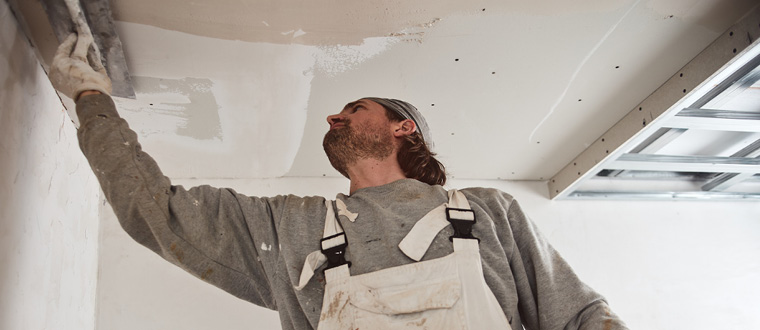
Plasterer – Occupation Information
Introduction
A Plasterer is a skilled tradesperson who applies plaster, render, and wall lining materials to walls and ceilings to create smooth, durable, and finished surfaces.
They work across residential, commercial, and industrial construction projects, handling both interior and exterior finishes.
Plasterers are responsible for surface preparation, installation of lining systems, and applying coatings that improve the strength and appearance of structures.
This trade requires precision, consistency, and strong practical skills.
Types of Plastering Work
Plasterers may specialise depending on materials and project requirements.
Common types include:
- Solid Plastering
- Wall and Ceiling Lining
- Rendering (External Plastering)
- Decorative Plastering
1. Solid Plastering
This involves applying plaster or cement directly to surfaces.
Work Scope
|
Work Type |
Description |
|
Surface Preparation |
Cleaning and preparing surfaces |
|
Plaster Application |
Applying base and finish coats |
|
Leveling and Smoothing |
Creating even surfaces |
|
Repair Work |
Fixing cracks and damaged areas |
2. Wall and Ceiling Lining
This focuses on installing plasterboard systems.
Work Scope
|
Work Type |
Description |
|
Plasterboard Installation |
Fixing boards to frames |
|
Joint Sealing |
Covering joints and fasteners |
|
Ceiling Installation |
Installing suspended or fixed ceilings |
|
Finishing Work |
Preparing surfaces for painting |
3. Rendering (External Plastering)
Rendering is applied to external walls for protection and finish.
Work Scope
|
Work Type |
Description |
|
Exterior Coating |
Applying render to outer walls |
|
Weather Protection |
Creating protective layers |
|
Surface Finishing |
Smooth or textured finishes |
|
Durability Enhancement |
Strengthening external surfaces |
4. Decorative Plastering
This involves detailed and aesthetic finishes.
Work Scope
|
Work Type |
Description |
|
Decorative Features |
Cornices and mouldings |
|
Textured Finishes |
Custom surface designs |
|
Feature Walls |
High-quality finishes |
|
Restoration Work |
Repairing decorative elements |
State and Territory Licensing Authorities
Plastering work may require licensing depending on project size and contracting work.
|
State / Territory |
Licensing Authority |
Requirement |
Website |
|
New South Wales |
Fair Trading NSW |
Licence may be required |
|
|
Victoria |
Victorian Building Authority |
Registration may apply |
|
|
Queensland |
QBCC |
Licence required for contracting work |
|
|
South Australia |
Consumer and Business Services |
Contractor licence may apply |
|
|
Western Australia |
Building and Energy |
Registration may apply |
|
|
Tasmania |
CBOS |
Licensing may apply |
|
|
Australian Capital Territory |
Access Canberra |
Registration/licensing may apply |
|
|
Northern Territory |
NT Government |
Licensing may apply |
Training and Qualification Requirements
Plasterers typically gain skills through formal training combined with practical experience.
Primary Qualification
|
Qualification |
Description |
|
Certificate III in Plastering (Solid or Wall & Ceiling Lining) |
Core trade qualification |
|
Apprenticeship (3–4 years) |
On-the-job training pathway |
|
White Card |
Required for construction sites |
|
Specialised Training |
For decorative or advanced finishes |
Key Training Areas
- Surface preparation techniques
- Plaster mixing and application
- Plasterboard installation methods
- Reading plans and measurements
- Use of tools and equipment
- Workplace safety procedures
Industry Experience
Practical experience is essential in plastering work.
Typical experience includes:
- Applying plaster and render to surfaces
- Installing wall and ceiling systems
- Working with different materials and finishes
- Completing residential and commercial projects
- Repairing and maintaining surfaces
Experience ensures smooth finishes, structural quality, and long-lasting results.
Compliance and Industry Regulations
Plasterers must follow construction and safety standards.
Key responsibilities include:
- Preparing surfaces correctly before application
- Using appropriate materials for each job
- Ensuring proper installation of plasterboard systems
- Following safety procedures on-site
- Meeting project specifications and quality standards
Compliance and Penalties
Failure to comply may result in:
- Cracking or uneven surfaces
- Poor finish quality
- Safety risks on-site
- Rework and increased costs
- Legal or contractual issues
Where to Verify a Licence or Registration
|
State / Territory |
Authority |
Verification Link |
|
New South Wales |
Licence Check NSW |
|
|
Victoria |
VBA Practitioner Search |
|
|
Queensland |
QBCC Licence Search |
|
|
Western Australia |
WA Government |
|
|
South Australia |
CBS Licence Register |
|
|
Tasmania |
CBOS Licence Search |
|
|
Australian Capital Territory |
Access Canberra |
|
|
Northern Territory |
NT Government |
Career Roles in Plastering
- Plasterer
- Solid Plasterer
- Wall and Ceiling Liner
- Renderer
- Decorative Plaster Specialist
Job Outlook and Salary
|
Experience Level |
Average Salary |
|
Entry-Level |
$55,000 – $70,000 |
|
Experienced |
$70,000 – $95,000 |
|
Senior |
$95,000 – $120,000+ |
Demand is supported by construction projects, renovations, and interior finishing work.
Frequently Asked Questions
What does a plasterer do?
A plasterer applies plaster and related materials to walls and ceilings to create smooth and durable finishes.
Do plasterers need qualifications?
A formal qualification is recommended to develop skills and improve opportunities.
Is plastering a skilled trade?
Yes, it requires technical knowledge and hands-on experience.
Is plastering physically demanding?
Yes, it involves lifting materials and working in various positions.