
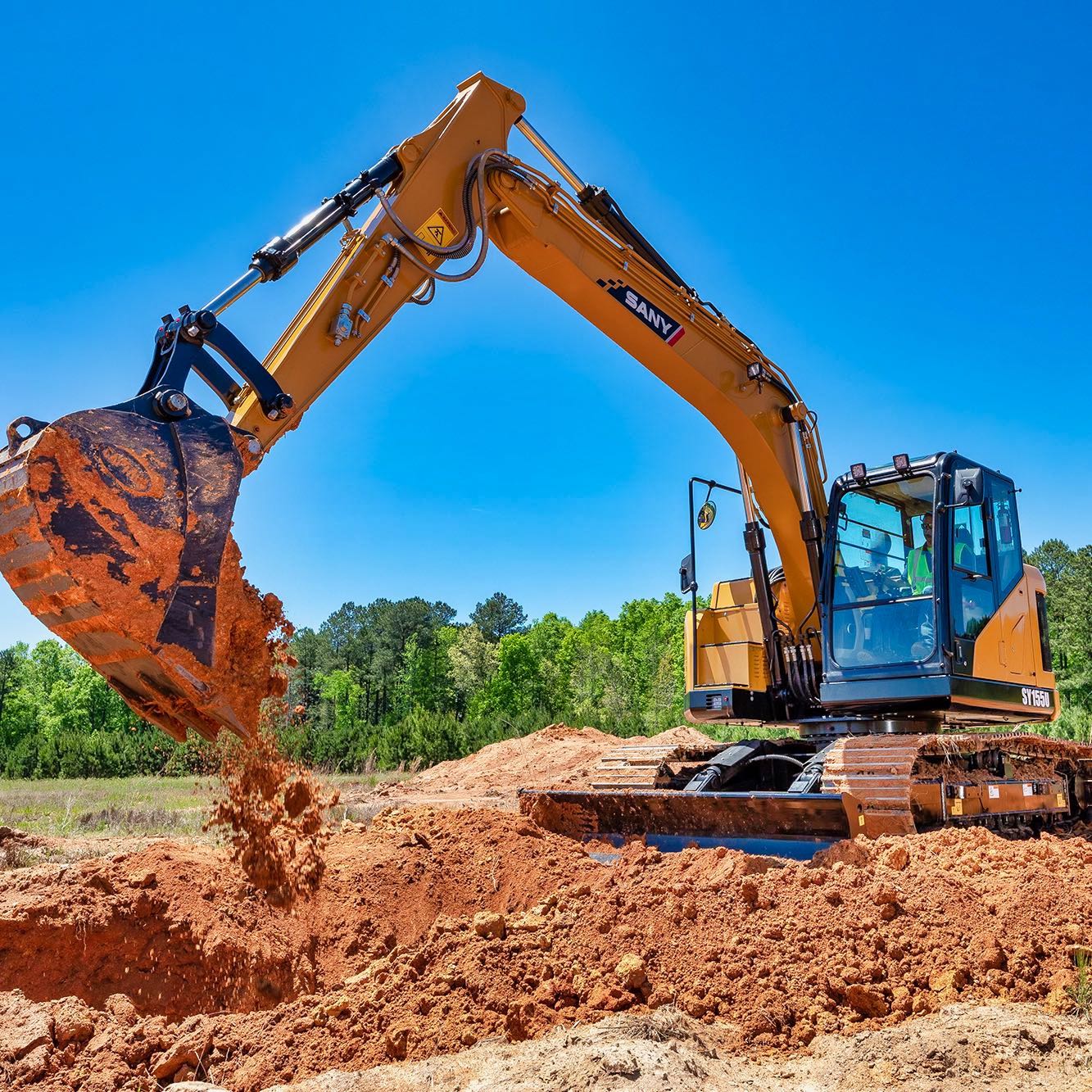
Excavator

Excavator


🇦🇺 Introduction

An Excavator Licence refers to the authorisation required to operate excavators and other similar earth-moving machinery legally and safely in Australia. Excavators are heavy construction machines used for digging, lifting, and moving soil, rocks, or other materials on construction sites, mining operations, and infrastructure projects.

A licensed excavator operator is typically authorised to operate machines such as:

•         Standard excavators (tracked or wheeled)

•         Mini excavators for residential and landscaping projects

•         Backhoe loaders in combined digging and loading operations

•         Long-reach or high-reach excavators in industrial applications

Tasks include:

•         Digging trenches, foundations, or basements

•         Lifting and placing heavy materials using buckets or attachments

•         Site clearing and preparation

•         Loading trucks with soil or debris

•         Assisting in demolition or landscaping works


🇦🇺 Types

Excavator licences fall under the High-Risk Work Licence (HRWL) framework in Australia. These licences are issued by state and territory regulators to ensure operators are trained and competent in handling heavy earth-moving machinery safely.

The exact type of licence depends on excavator size, attachment type, and work environment.


1. Standard Excavator Licence

Purpose: Authorises the operation of standard hydraulic excavators used for construction, earthworks, and site preparation.

Scope of Work:

•         Excavating trenches, foundations, or basements

•         Lifting and moving soil, gravel, or debris

•         Loading trucks and site clearance

Typical Machine Size: Up to 10–20 tonnes

Regulator: SafeWork/WorkSafe authority in the state or territory

Training Required:

•         CPCCCM2008 — “Erect and dismantle small free-standing structures” (site prep basics, sometimes included in Excavator training)

•         CPCWHS1001 — Construction Induction (White Card)

•         HRWL assessment specific to excavator operation


2. Mini Excavator Licence

Purpose: Covers small or compact excavators commonly used in residential projects, landscaping, or light civil works.

Scope of Work:

•         Residential site excavation

•         Garden and landscaping projects

•         Small-scale trenching and drainage works

Typical Machine Size: Up to 3–5 tonnes

Training Required:

•         Mini Excavator Operator training (RTO accredited)

•         WHS induction (White Card)

•         Practical assessment demonstrating safe operation


3. Long-Reach or High-Reach Excavator Licence

Purpose: For excavators with extended booms used in industrial, demolition, or riverbank works.

Scope of Work:

•         Demolition of buildings or structures

•         Excavation in hard-to-reach areas (e.g., riverbanks, embankments)

•         Large-scale earthworks in civil or mining projects

Training Required:

•         Advanced excavator operation training (including attachments)

•         WHS compliance and load-lifting certification

•         Practical assessment under RTO supervision


4. Excavator with Attachments Licence

Purpose: Authorises the operation of excavators fitted with special attachments, such as:

•         Hydraulic hammers (for breaking concrete or rock)

•         Grapples or clamps (for forestry or demolition)

•         Augers (for drilling holes)

Scope of Work:

•         Demolition

•         Forestry clearing

•         Piling or drilling

•         Industrial excavation tasks

Training Required:

•         Specific attachment handling and safety training

•         High-Risk Work Licence assessment for the attachment type


5. Excavator Supervisor / Contractor Licence

Purpose: For individuals supervising excavator operations or managing excavation teams.

Scope of Work:

•         Overseeing multiple operators

•         Ensuring compliance with WHS and site regulations

•         Coordinating excavation with other trades (e.g., rigging, scaffolding, utilities)

Requirements:

•         Advanced operator experience

•         Certificate IV in Building and Construction (or equivalent) recommended

•         HRWL for the relevant class of excavator


🔑 Summary Table

Licence Type

Scope

Typical Machine

Training / Requirements

Standard Excavator

General earthworks

Up to 10–20 t

HRWL, White Card, RTO assessment

Mini Excavator

Residential / Landscaping

Up to 3–5 t

RTO training, WHS induction, practical test

Long/High-Reach Excavator

Demolition, industrial, riverbank works

15–50 t

Advanced HRWL training, practical assessment

Excavator with Attachments

Demolition, forestry, piling

Varies by attachment

Attachment-specific HRWL training, practical test

Supervisor / Contractor

Team supervision & project management

N/A

Advanced HRWL, Certificate IV in Construction recommended


⚖️ Regulatory Framework

Excavator licences are issued and regulated by the state or territory WorkSafe/SafeWork authorities, under:

•         Work Health and Safety Act 2011

•         WHS Regulations 2011 (High-Risk Work Licences)

•         Relevant state-specific guidelines for plant operation


In summary:

Australia offers different types of Excavator Licences depending on the machine size, attachments, and work environment. From mini excavators for landscaping to high-reach machines for demolition, each type requires RTO-accredited training, WHS compliance, and High-Risk Work Licence certification.


🇦🇺 Qualifications

Here’s a detailed explanation of the Qualifications Required for an Excavator Licence in Australia, including the training, experience, and assessments needed to become a licensed operator.


🎓 Qualifications Required for an Excavator Licence in Australia

Excavator operation is classified as high-risk work in Australia because it involves operating heavy machinery that can cause serious injury or damage if not handled correctly. Licensing requirements are regulated by state/territory Work Health and Safety (WHS) authorities, under the High-Risk Work Licence (HRWL) framework.


1. General Requirements

To apply for an Excavator Licence, applicants must typically meet the following prerequisites:

•         Minimum age: 18 years

•         White Card (CPCCWHS1001) – General Construction Induction required for all construction workers

•         Physical fitness – Ability to safely operate machinery; some states may require a medical check

•         Proof of identity – Usually government-issued ID for licence application


2. Training Requirements

Licensing requires completion of a nationally recognised training course from a Registered Training Organisation (RTO).

Core Training Units:

Licence Type

National Unit of Competency

Description

Standard Excavator

RIIHAN301E – Operate elevating work platform & excavators

Operate excavators safely on site

Mini Excavator

RIIHAN309E – Operate mini-excavator

Operating compact excavators for residential/landscaping

Long-Reach/High-Reach Excavator

RIIHAN308E – Conduct long-reach excavator operations

Operating excavators in demolition, industrial, or hard-to-reach areas

Excavator with Attachments

RIIHAN312E – Operate excavator with attachments

Handling hydraulic hammers, augers, grapples, or other attachments

Training typically includes:

•         Machine pre-start and safety checks

•         Safe operation techniques (digging, lifting, and movement)

•         Understanding load capacities and site limitations

•         WHS compliance and safe work procedures

•         Practical operation under supervision


3. Practical Experience

Most states require demonstrated hands-on experience:

•         Typically 100–200 hours of supervised work on the relevant type of excavator

•         Experience on actual construction, civil, or landscaping sites

•         Logbook or employer confirmation may be required for licence application


4. Assessment Requirements

After training and practical experience, applicants must pass both theory and practical assessments:

•         Theory Assessment: Knowledge of WHS regulations, safe operating procedures, hazard identification, and emergency procedures

•         Practical Assessment: Demonstration of safe and competent operation of the excavator, including:

•         Correct starting and stopping

•         Digging, trenching, and loading

•         Safe movement around site obstacles

•         Operating attachments safely (if applicable)

Assessors:

•         Must be accredited by the state regulator (SafeWork / WorkSafe)


5. Licence Application

Once training and assessment are complete, applicants can apply for a High-Risk Work Licence:

•         Submit application to the relevant state authority (e.g., SafeWork NSW, WorkSafe VIC, QBCC QLD)

•         Include proof of training, identity, and experience

•         Pay the licence issuance fee

•         Licence is usually valid for 5 years and requires renewal


6. Optional but Recommended Qualifications

•         Certificate III in Civil Construction (Plant Operations) – broadens career prospects

•         Certificate IV in Building and Construction – for supervisory roles

•         Working at Heights Certificate – useful for long-reach or demolition operations

•         Traffic Management or Spotter Training – for operating machinery near public areas


🔑 Summary Table

Licence Type

Training Units

Practical Experience

Additional Requirements

Standard Excavator

RIIHAN301E

100–200 hrs

White Card, ID, medical fitness

Mini Excavator

RIIHAN309E

100 hrs

White Card, ID

Long-Reach/High-Reach

RIIHAN308E

150–200 hrs

White Card, ID, Working at Heights

Excavator with Attachments

RIIHAN312E

150–200 hrs

White Card, attachment-specific training


✅ In summary:

To obtain an Excavator Licence in Australia, you must complete a nationally recognised training course, demonstrate practical experience, pass theory and practical assessments, hold a White Card, and apply for the High-Risk Work Licence through your state or territory WorkSafe/SafeWork authority. Advanced or attachment-specific licences require extra training and assessment.


Compliance and Penalties

·  Improvement or Prohibition Notices issued by regulators

·  Individual fines: Up to $50,000

·  Company fines: Up to $250,000+

·  Possible licence suspension or cancellation


Where to Verify a License

State/Territory Verification Authorities

State/Territory

Licensing Authority

Verification Link / Notes

New South Wales (NSW)

Verify NSW

verify.licence.nsw.gov.au

Victoria (VIC)

WorkSafe Victoria

worksafe.vic.gov.au

Queensland (QLD)

WorkSafe QLD

worksafe.qld.gov.au

Western Australia (WA)

Western Australian Government

wa.gov.au

South Australia (SA)

SafeWork SA

safework.sa.gov.au

Tasmania (TAS)

WorkSafe Tasmania

worksafe.tas.gov.au

Australian Capital Territory (ACT)

WORKSAFE ACT

worksafe.act.gov.au

Northern Territory (NT)

NT Worksafe

worksafe.nt.gov.au


Career Roles

•         Construction Excavator Operator

•         Mini Excavator Operator

•         Long-Reach / High-Reach Excavator Operator

•         Excavator Operator with Attachments

•         Civil and Infrastructure Excavator Operator

•         Supervisor / Site Foreman

•         Contractor / Business Owner


Job Outlook and Salary

💼 Average Salary

•         Hourly Rate: Approximately AU$44.93 per hour

•         Annual Salary: Ranges from AU$56,814 to AU$95,404, depending on experience level

🧱 Industry-Specific Earnings

•         Civil Construction: Civil excavator operators can earn between AU$120,000 and AU$180,000 annually

•         Mining Sector: Experienced operators in mining roles, especially in Queensland, can earn up to AU$151,813.84, excluding superannuation, with additional bonuses

•         Entry-Level Positions: Starting salaries typically range from AU$54,766 to AU$71,568 per year