
Electrician
Electrician – Occupation Information
Introduction
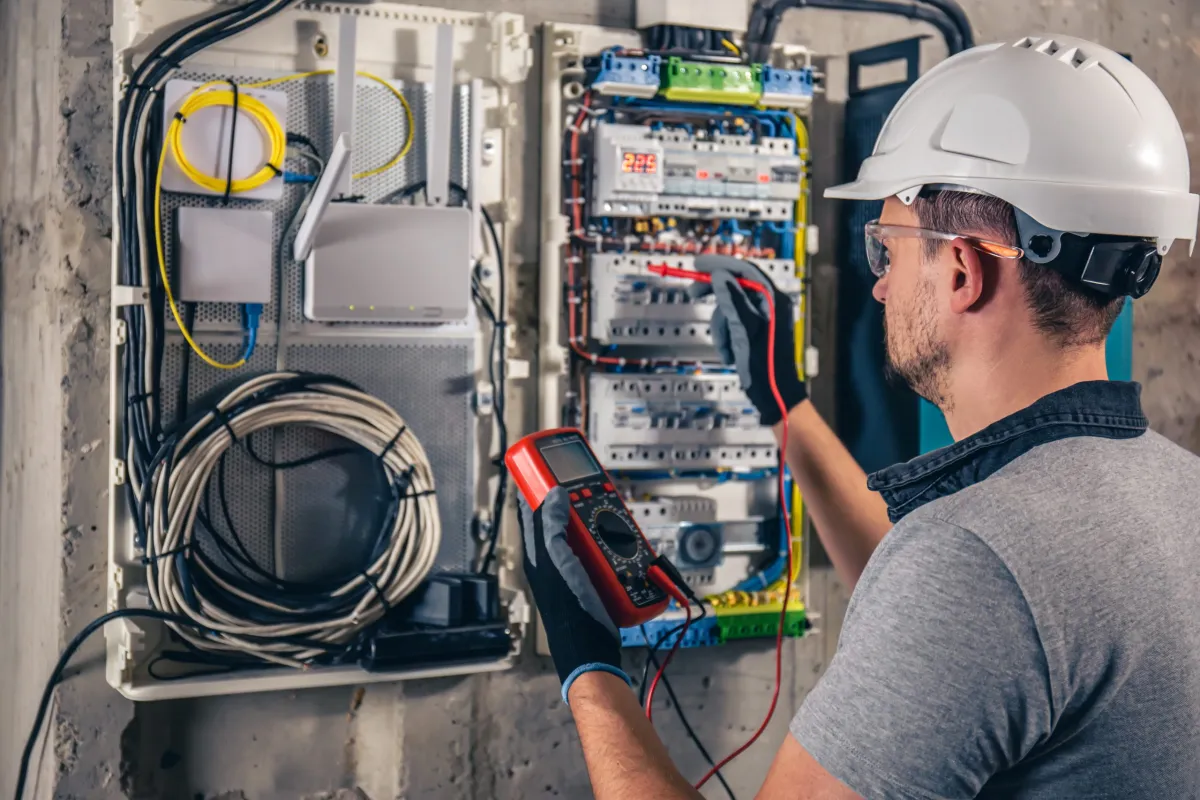
An Electrician is a licensed tradesperson responsible for installing, maintaining, repairing, and testing electrical systems and equipment.
They work across residential, commercial, industrial, and infrastructure environments, ensuring safe and efficient electrical supply.
Electricians handle wiring systems, switchboards, lighting, circuits, and electrical components.
In Australia, electrical work is strictly regulated and requires formal qualifications, practical trai
ning, and a valid licence issued by the relevant state or territory authority.
Types of Electrical Work
Electricians may specialise depending on the industry and type of electrical systems.
Common types include:
- Residential Electrical Work
- Commercial and Industrial Electrical Work
- Specialised Electrical Services
1. Residential Electrical Work
Residential electricians work on homes and small buildings.
Residential Work Scope
|
Work Type |
Description |
|
Wiring Installation |
Installing electrical wiring in homes |
|
Lighting Systems |
Installing indoor and outdoor lighting |
|
Switchboard Upgrades |
Upgrading electrical panels |
|
Maintenance and Repairs |
Fixing electrical faults and issues |
2. Commercial and Industrial Electrical Work
This involves larger and more complex electrical systems.
Commercial Work Scope
|
Work Type |
Description |
|
Electrical Fit-Outs |
Wiring offices and commercial buildings |
|
Industrial Installations |
Working with machinery and systems |
|
Power Distribution |
Managing electrical supply systems |
|
Testing and Commissioning |
Ensuring systems operate safely |
3. Specialised Electrical Services
Some electricians focus on advanced or specialised work areas.
Specialised Work Scope
|
Work Type |
Description |
|
Automation Systems |
Installing control systems |
|
Renewable Energy |
Solar and energy-efficient systems |
|
Data and Communications |
Structured cabling and networks |
|
Maintenance Services |
Ongoing system inspections and servicing |
State and Territory Licensing Authorities
Electrical work requires mandatory licensing in all Australian states and territories.
|
State / Territory |
Licensing Authority |
Requirement |
Website |
|
New South Wales |
Fair Trading / Building Regulator |
Electrical licence required |
|
|
Victoria |
Energy Safe Authority |
Licence required |
|
|
Queensland |
Electrical Safety Regulator |
Licence required |
|
|
South Australia |
Consumer and Business Services |
Licence required |
|
|
Western Australia |
Building and Energy Authority |
Licence required |
|
|
Tasmania |
Building and Occupational Services |
Licence required |
|
|
Australian Capital Territory |
Access Canberra |
Licence required |
|
|
Northern Territory |
Electrical Licensing Authority |
Licence required |
Training and Qualification Requirements
Electricians must complete formal education and structured training pathways.
Primary Qualification
|
Qualification |
Description |
|
Certificate III in Electrotechnology Electrician (UEE30820) |
Core trade qualification |
|
Apprenticeship (typically 4 years) |
Practical supervised training |
|
Final Competency Assessment |
Required for licensing |
|
White Card |
Required for construction work |
Key Training Areas
- Electrical installation and wiring systems
- Circuit design and fault finding
- Testing and compliance procedures
- Electrical safety standards
- Use of electrical tools and equipment
- Reading technical plans and diagrams
Industry Experience
Hands-on experience is essential.
Typical experience includes:
- Completing a structured apprenticeship under a licensed electrician
- Working on real construction and maintenance projects
- Performing supervised installations and repairs
- Gaining skills in fault diagnosis and system testing
This ensures practical competency and industry readiness.
Compliance and Industry Regulations
Electricians must comply with strict electrical safety and construction regulations.
Key responsibilities include:
- Installing electrical systems according to standards
- Testing systems to ensure safety and functionality
- Using approved materials and equipment
- Following workplace health and safety practices
- Ensuring compliance with electrical codes
Compliance and Penalties
Failure to comply may result in:
- Fines and legal penalties
- Licence suspension or cancellation
- Serious safety hazards including fire or injury
- Legal liability for unsafe work
Where to Verify an Electrician Licence
|
State / Territory |
Authority |
Verification Link |
|
New South Wales |
Licence Check NSW |
|
|
Victoria |
Energy Safe Authority |
|
|
Queensland |
Electrical Safety Regulator |
|
|
Western Australia |
WA Government |
|
|
South Australia |
CBS Licence Register |
|
|
Tasmania |
CBOS Licence Search |
|
|
Australian Capital Territory |
Access Canberra |
|
|
Northern Territory |
NT WorkSafe / Licensing |
Career Roles in Electrical Work
- Electrician
- Electrical Contractor
- Industrial Electrician
- Maintenance Electrician
- Solar Electrician
- Electrical Supervisor
Job Outlook and Salary
|
Experience Level |
Average Salary |
|
Entry-Level |
$65,000 – $80,000 |
|
Experienced |
$80,000 – $110,000 |
|
Senior |
$110,000 – $140,000+ |
Demand is strong due to construction growth, infrastructure development, and renewable energy expansion.
Frequently Asked Questions
What does an electrician do?
An electrician installs and maintains electrical systems, wiring, and equipment.
Do electricians need a licence in Australia?
Yes, a licence is required in all states and territories.
What qualification is required?
A Certificate III in Electrotechnology Electrician along with an apprenticeship.
Can electricians work independently?
Yes, but they must hold the appropriate licence or contractor authorisation.