
Fire protection Specialist Or Technician
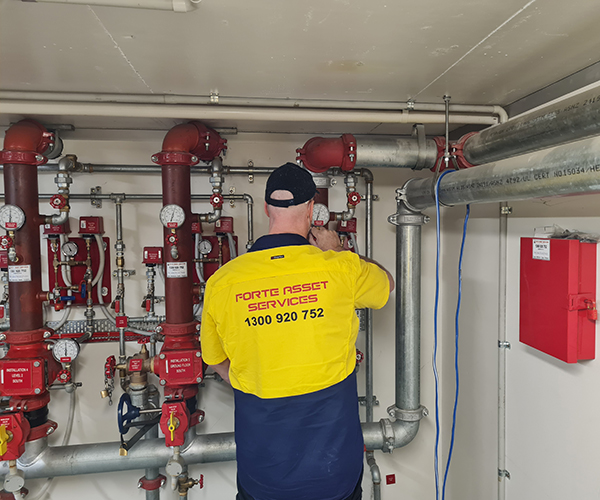
Fire Protection Specialist / Technician – Occupation Information
Introduction
A Fire Protection Specialist or Technician is a trained professional responsible for installing, inspecting, testing, and maintaining fire protection systems and equipment.
They work across residential, commercial, industrial, and infrastructure environments to ensure fire safety compliance.
These professionals handle systems such as fire extinguishers, hydrants, alarms, suppression systems, and passive fire protection elements.
In Australia, this occupation requires technical training, competency-based certification, and in some cases specific licences depending on the type of fire protection work performed.
Types of Fire Protection Work
Fire protection specialists may specialise depending on the system or service area.
Common types include:
- Fire Equipment and System Maintenance
- Fire Detection and Alarm Systems
- Fire Suppression and Special Hazard Systems
1. Fire Equipment and System Maintenance
This involves routine servicing and inspection of fire protection equipment.
Maintenance Work Scope
|
Work Type |
Description |
|
Fire Extinguisher Servicing |
Inspection and maintenance of extinguishers |
|
Hydrant and Hose Reel Testing |
Ensuring systems function correctly |
|
Emergency Lighting Checks |
Testing exit and emergency lighting |
|
Routine Inspections |
Scheduled system checks and reporting |
2. Fire Detection and Alarm Systems
Technicians may work on early warning and alert systems.
Detection Work Scope
|
Work Type |
Description |
|
Alarm Installation |
Installing fire detection systems |
|
System Testing |
Testing alarms and sensors |
|
Fault Diagnosis |
Identifying and fixing issues |
|
System Upgrades |
Improving existing alarm systems |
3. Fire Suppression and Special Hazard Systems
This includes advanced fire protection systems.
Suppression Work Scope
|
Work Type |
Description |
|
Sprinkler Systems |
Installing and maintaining sprinkler systems |
|
Gaseous Suppression Systems |
Working with gas-based fire systems |
|
Foam Systems |
Industrial fire protection systems |
|
Special Hazard Systems |
Protection for high-risk environments |
State and Territory Licensing Authorities
Fire protection work may require specific licences depending on the system and type of work.
|
State / Territory |
Licensing Authority |
Requirement |
Website |
|
New South Wales |
Fair Trading / Building Regulator |
Licence required for certain fire work |
|
|
Victoria |
Victorian Building Authority |
Registration required for building-related work |
|
|
Queensland |
QBCC |
Licence required for fire protection work |
|
|
South Australia |
Consumer and Business Services |
Contractor licence may be required |
|
|
Western Australia |
Building Commission |
Licence required for building services |
|
|
Tasmania |
Building and Occupational Services |
Licensing may apply |
|
|
Australian Capital Territory |
Access Canberra |
Licensing required |
|
|
Northern Territory |
NT Government |
Registration may apply |
National Fire Protection Licensing (Specialised)
Certain fire protection work involving extinguishing agents and suppression systems requires national licensing.
|
Licence Type |
Description |
Authority |
Website |
|
Extinguishing Agent Handling Licence (EAHL) |
Required for handling fire suppression agents |
Fire Protection Industry Board |
|
|
Extinguishing Agent Trading Authorisation (EATA) |
Required for businesses dealing with extinguishing agents |
Fire Protection Industry Board |
|
|
Trainee Licence |
For individuals under supervision |
Fire Protection Industry Board |
Training and Qualification Requirements
Fire protection technicians require technical training and industry-specific qualifications.
Primary Qualification
|
Qualification |
Description |
|
Certificate II or III in Fire Protection Inspection and Testing |
Entry-level qualification |
|
Certificate III or IV in Fire Systems |
Advanced technical qualification |
|
Specialised Fire Protection Training |
System-specific training |
|
White Card |
Required for construction work |
Key Training Areas
- Fire system installation and servicing
- Inspection and testing procedures
- Fire safety standards and compliance
- System fault diagnosis and repair
- Use of tools and testing equipment
- Workplace health and safety
Industry Experience
Hands-on experience is essential.
Typical experience includes:
- Working with fire protection companies
- Performing inspections and servicing tasks
- Assisting with system installation
- Understanding building safety requirements
Experience ensures technical accuracy and compliance knowledge.
Compliance and Industry Regulations
Fire protection work must comply with strict safety standards and building regulations.
Key responsibilities include:
- Maintaining fire protection systems to required standards
- Ensuring equipment is operational and compliant
- Following inspection and testing schedules
- Using approved systems and materials
- Maintaining accurate service records
Compliance and Penalties
Failure to comply may result in:
- Fines and legal penalties
- Loss of licence or certification
- Building non-compliance issues
- Serious safety risks to occupants
Where to Verify a Fire Protection Licence
|
Type |
Authority |
Verification Link |
|
National Fire Licensing |
Fire Protection Industry Board |
|
|
New South Wales |
Licence Check NSW |
|
|
Victoria |
Victorian Building Authority |
|
|
Queensland |
QBCC Licence Search |
|
|
Western Australia |
WA Government |
|
|
South Australia |
CBS Licence Register |
|
|
Tasmania |
CBOS Licence Search |
|
|
Australian Capital Territory |
Access Canberra |
|
|
Northern Territory |
NT Licensing |
Career Roles in Fire Protection
- Fire Protection Technician
- Fire Systems Installer
- Fire Equipment Technician
- Fire Safety Inspector
- Maintenance Technician
- Fire Protection Contractor
Job Outlook and Salary
|
Experience Level |
Average Salary |
|
Entry-Level |
$60,000 – $75,000 |
|
Experienced |
$75,000 – $110,000 |
|
Senior |
$110,000 – $140,000+ |
Demand is strong due to strict building safety regulations and ongoing compliance requirements.
Frequently Asked Questions
What does a fire protection technician do?
They install, test, and maintain fire safety systems and equipment.
Do you need a licence in Australia?
Yes, certain work requires state licences or national fire protection licences.
What qualifications are required?
Typically a Certificate II or III in fire protection or related training.
Where do they work?
They work in buildings, construction sites, industrial facilities, and maintenance services.